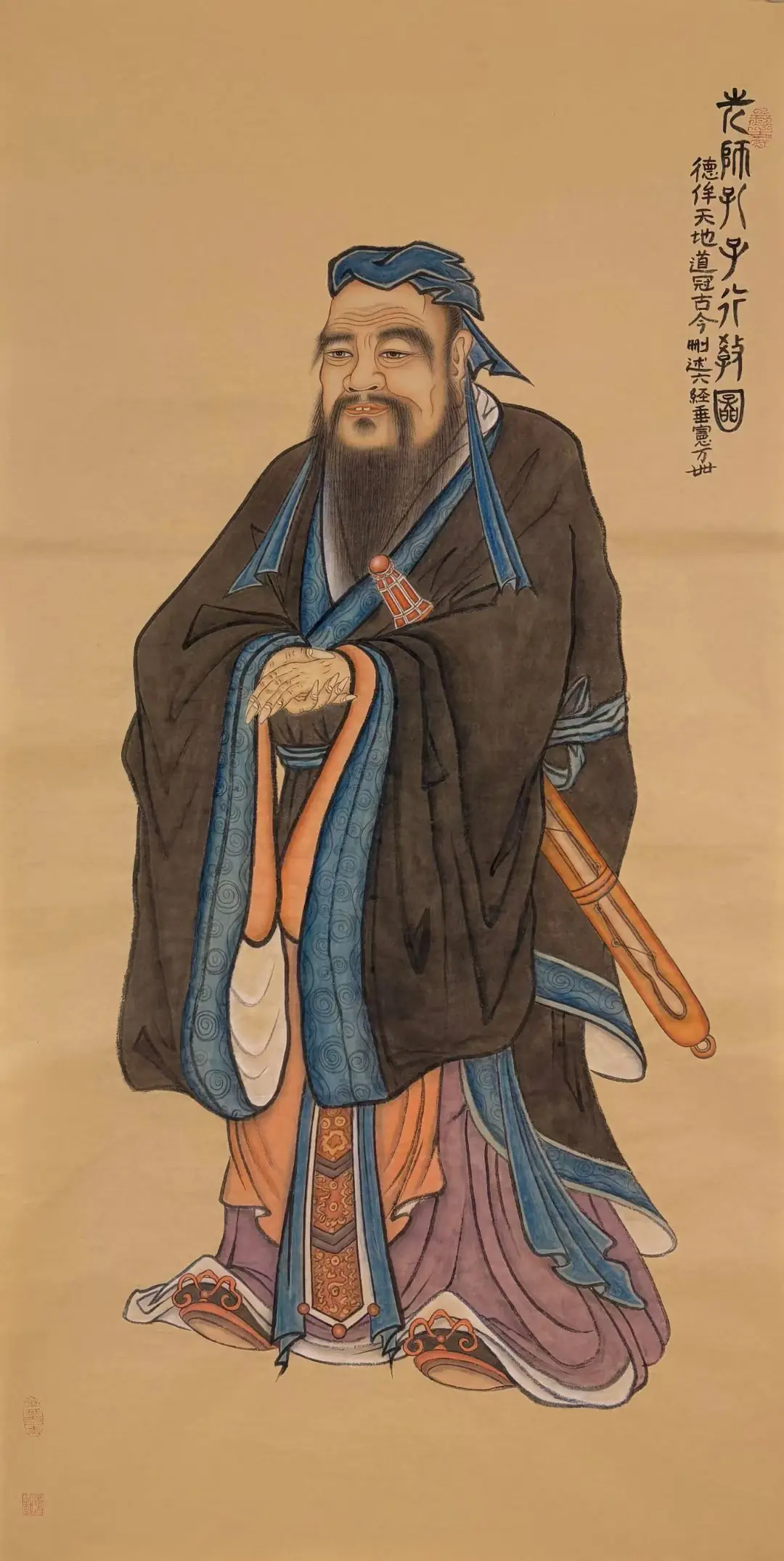
The Original Quote:
子曰:“邦有道,危言危行;邦无道,危行言孙。”
Zǐ yuē: “Bāng yǒu dào, wēi yán wēi xíng; bāng wú dào, wēi xíng yán sūn.”
English Translation:
When the state follows the Way, let your words be upright and your conduct be upright. When the state has lost the Way, let your conduct remain upright, but let your words be humble and prudent.
Key Concepts Explained:
- 道 (Dào): The Way, referring here to righteous governance and moral order in society.
- 危 (wēi): Upright, lofty, or straightforward; in conduct, it means maintaining integrity.
- 言孙 (yán sūn): Literally "words that yield," meaning speech that is humble, cautious, and prudent—a form of strategic self-protection.
- 君子 (jūnzǐ): The exemplary person or noble-minded individual, who adapts speech but never compromises ethical conduct.
Cultural Context:
This passage from the Analects reflects Confucius’s pragmatic wisdom for navigating turbulent times. In eras of just rule (盛世, shèngshì), officials could speak and act with bold integrity, as exemplified by the Tang dynasty's outspoken ministers. However, during periods of corruption or tyranny, Confucius advises a careful balance: maintain inner rectitude (正心, zhèngxīn) while outwardly tempering one's words to avoid persecution. The tragic fate of General Yue Fei (岳飞), executed under a fabricated charge for advocating the return of two former emperors, illustrates the peril of failing to "yield in speech." In contrast, Feng Dao (冯道), a chancellor who served ten rulers across four dynasties, survived by embodying "upright conduct with humble words"—remaining incorruptible yet diplomatically cautious. This teaching underscores a timeless Confucian principle: virtue adapts to circumstances, but never at the cost of moral integrity.