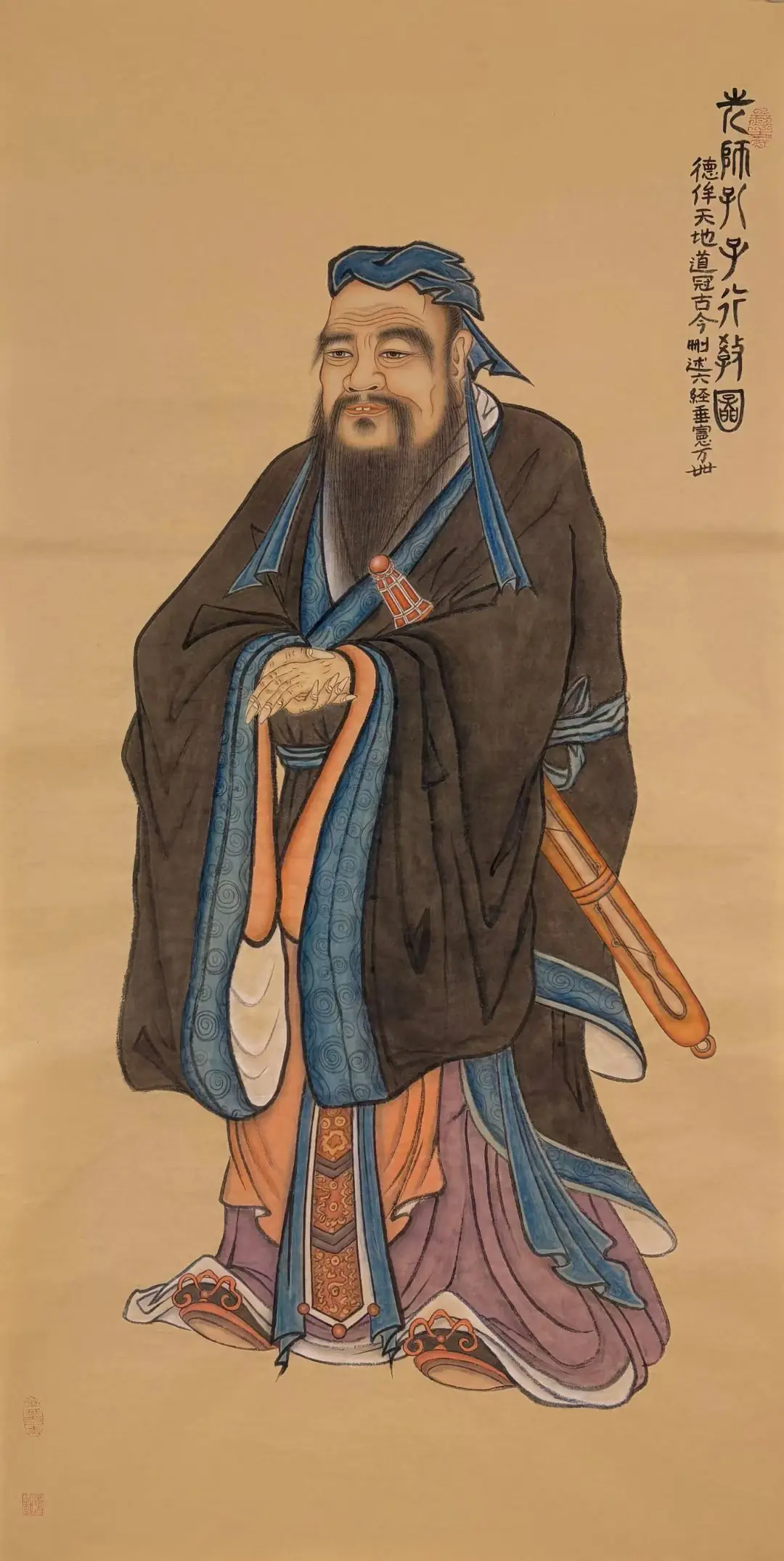
The Original Quote:
子曰:“君子上达,小人下达。”
Zǐ yuē: "Jūnzǐ shàng dá, xiǎorén xià dá."
English Translation:
The Master said: "The noble person ascends to higher principles; the petty person descends to baser gains."
Key Concepts Explained:
- 君子 (Jūnzǐ): The "noble person" or "exemplary individual"—one who cultivates moral virtue, self-discipline, and concern for the common good, embodying the ideal of Confucian personhood.
- 小人 (Xiǎorén): The "petty person" or "inferior person"—one who is governed by narrow self-interest, lacking moral refinement and often pursuing personal profit at the expense of others.
- 上达 (Shàng Dá): "Ascending to higher understanding"—the pursuit of moral wisdom, righteousness (义, yì), and self-cultivation, aligning with the Way (道, Dào).
- 下达 (Xià Dá): "Descending to lower attainment"—the fixation on material gain (利, lì) and immediate gratification, neglecting virtue and social responsibility.
- 仁 (Rén): Benevolence or humaneness—the core Confucian virtue of compassionate regard for others, which guides the noble person's ascent.
Cultural Context:
This passage from the Analects (论语, Lúnyǔ), a foundational text of Confucianism compiled during the Warring States period (c. 475–221 BCE), encapsulates Confucius's vision of moral hierarchy. It contrasts two life paths: the noble person's upward journey toward ethical refinement and social contribution, and the petty person's downward drift into selfishness. Historically, this teaching served as a guide for rulers and scholars in ancient China, emphasizing that true leadership arises from virtue, not wealth. In cross-cultural education, it invites reflection on universal questions of purpose: how do our aspirations shape character and society? Confucius here advocates for a life of continuous self-improvement (修身, xiūshēn) that benefits both the individual and the community, a principle that resonates with Western ideals of moral development and civic duty.