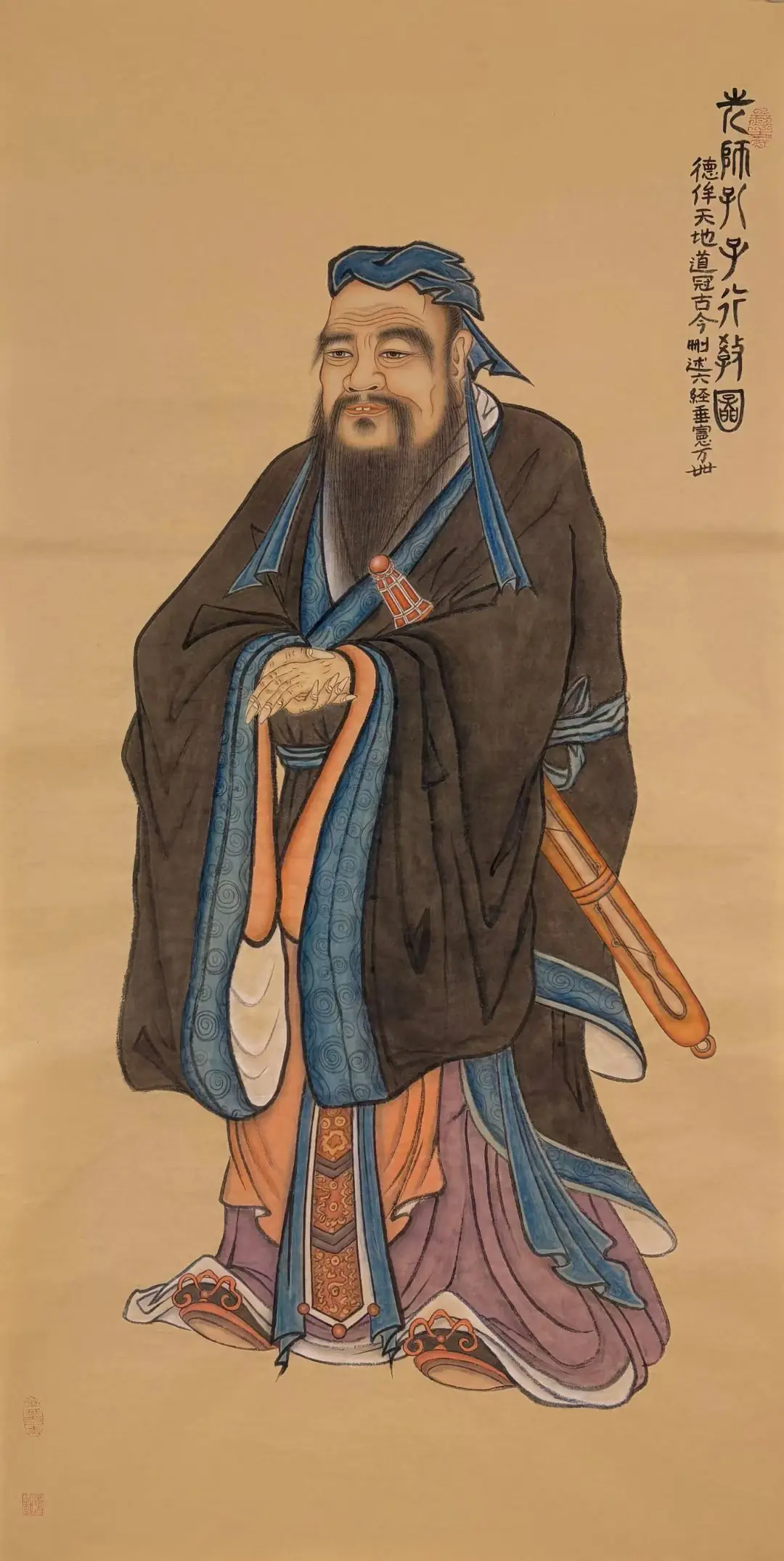
The Original Quote:
子曰:“君子耻其言而过其行。”
Zǐ yuē: “Jūnzǐ chǐ qí yán ér guò qí xíng.”
English Translation:
The Master said, “The gentleman regards it as a shame to let his words outrun his deeds.”
Key Concepts Explained:
- 君子 (Jūnzǐ): The “gentleman” or “noble person” — an ideal moral exemplar in Confucian thought, cultivated through self-discipline and virtue, not birthright.
- 耻 (chǐ): A sense of shame or moral disgrace, essential for self-cultivation and ethical conduct, guiding one away from hypocrisy.
- 言 (yán) & 行 (xíng): Words and deeds — their harmony (言行一致, yán xíng yī zhì) is a core Confucian virtue, emphasizing integrity over empty rhetoric.
Cultural Context:
In the Warring States period (5th–3rd century BCE), Confucius (551–479 BCE) taught amid social upheaval, where rulers often made grand promises but failed to act. This passage from The Analects (论语, Lúnyǔ), a collection of his sayings, underscores the Confucian ideal of self-cultivation (修身, xiūshēn) as foundational for ethical governance. The gentleman’s shame in verbal excess reflects a broader cultural emphasis on sincerity (诚, chéng) and ritual propriety (礼, lǐ), where action validates words. Historically, this principle influenced Chinese civil service ethics and education, promoting a meritocratic ethos that values substance over sophistry—a timeless lesson for any society facing political or personal hypocrisy.