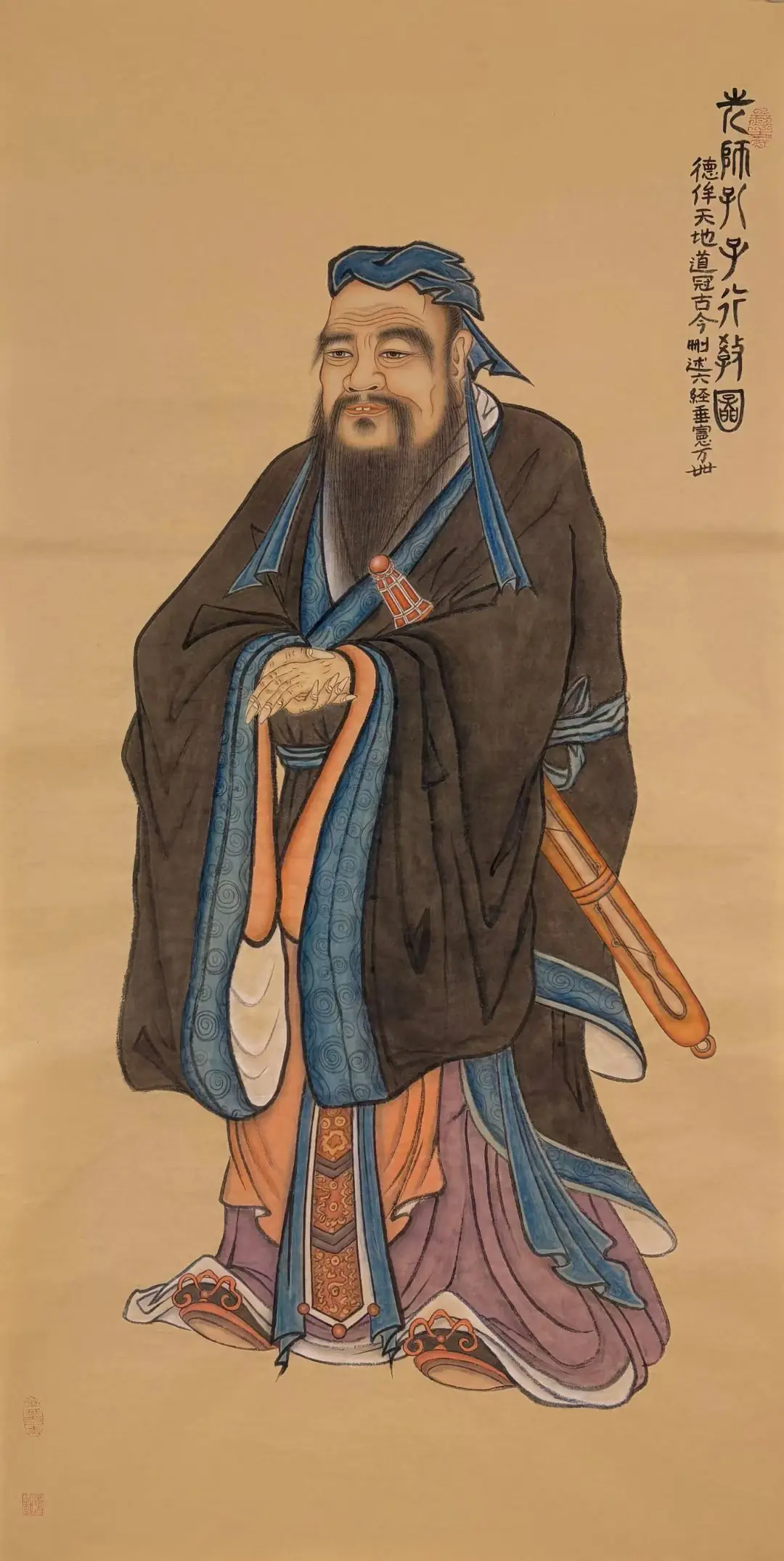
The Original Quote:
子贡方人,子曰:“赐也贤乎哉?夫我则不暇。”
Zǐgòng fāng rén, zǐ yuē: “Cì yě xián hū zāi? Fū wǒ zé bù xiá.”
English Translation:
Zigong was given to criticizing others. The Master said, "Are you, Ci, so virtuous? As for me, I have no leisure for this."
Key Concepts Explained:
- 仁 (rén): Benevolence or humaneness, the central Confucian virtue encompassing compassion and moral excellence.
- 礼 (lǐ): Ritual propriety or social norms, guiding proper conduct and self-restraint in interactions.
- 自省 (zìxǐng): Self-examination or introspection, a practice of regularly reflecting on one's own faults to cultivate virtue.
- 命 (mìng): Mandate or destiny, often implying the moral order that one should align with through self-cultivation.
Cultural Context:
This passage from the Analects (Lúnyǔ) reflects Confucius's emphasis on inner moral cultivation over outward criticism of others. In traditional Chinese society, "fāng rén" (criticizing others) was seen as a sign of arrogance and lack of self-discipline. Confucius here rebukes his disciple Zigong, urging him to focus on self-improvement (xiūshēn) rather than judging peers. This teaching aligns with later Confucian maxims like "静坐常思己过,闲谈莫论人非" (In stillness, reflect on your own faults; in idle talk, discuss not others' wrongs). Historically, this principle shaped Chinese ethics, promoting harmony by discouraging gossip and encouraging personal accountability—a value still resonant in East Asian cultures today.