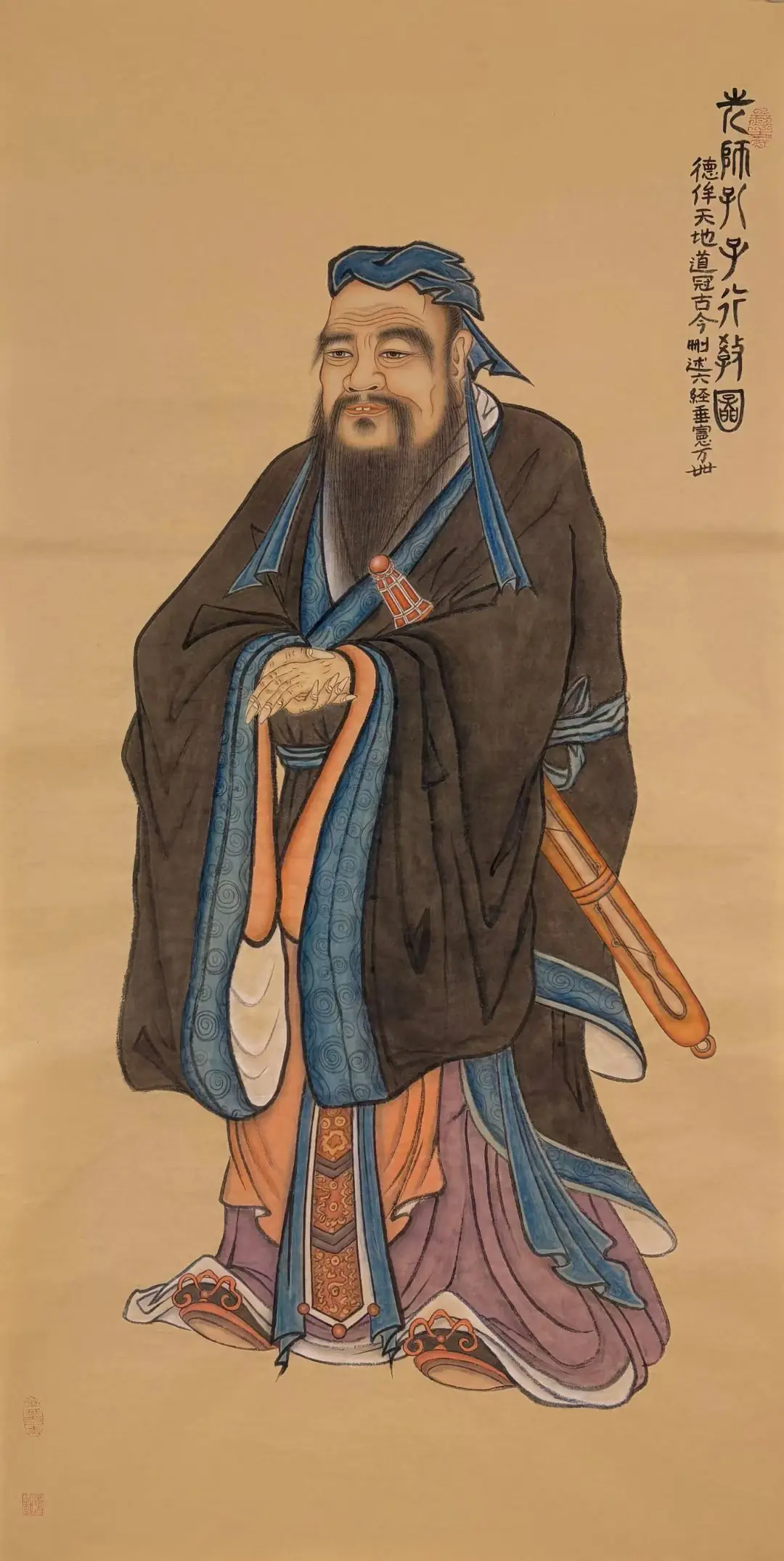
The Original Quote:
子曰:“君子而不仁者有矣夫,未有小人而仁者也。”
Zǐ yuē: “Jūnzǐ ér bù rén zhě yǒu yǐ fú, wèi yǒu xiǎorén ér rén zhě yě.”
English Translation:
“The Master said: ‘There are indeed those who, though noble in character (jūnzǐ 君子), yet lack humaneness (rén 仁); but never has there been a petty person (xiǎorén 小人) who possessed humaneness.’”
Key Concepts Explained:
- Jūnzǐ (君子): The “noble person” or “exemplary person”—one who cultivates virtue and moral integrity, but is not yet perfect.
- Xiǎorén (小人): The “petty person” or “small-minded person”—one oriented toward self-interest and lacking moral aspiration.
- Rén (仁): “Humaneness” or “benevolence”—the highest Confucian virtue, embodying love, empathy, and moral perfection.
- Mìng (命): “Decree” or “mandate”—the moral order of Heaven, which sets limits on human attainment.
- Lǐ (礼): “Ritual propriety”—the social norms and rites that cultivate virtue and express rén.
Cultural Context:
This passage from the Analects (Lúnyǔ 论语) reflects Confucius’s realistic view of moral hierarchy. While the jūnzǐ strives toward rén, even they may fall short, for rén is an ideal rarely fully realized. The xiǎorén, however, lacks the very foundation of moral aspiration, making rén inaccessible. This teaching underscores the Confucian emphasis on self-cultivation (xiūshēn 修身) as a lifelong journey, and the importance of ritual (lǐ 礼) in shaping character. Historically, this distinction reinforced social and ethical order in ancient China, where the junzi served as a model for rulers and officials, while the xiaoren were seen as needing guidance through education and ritual.