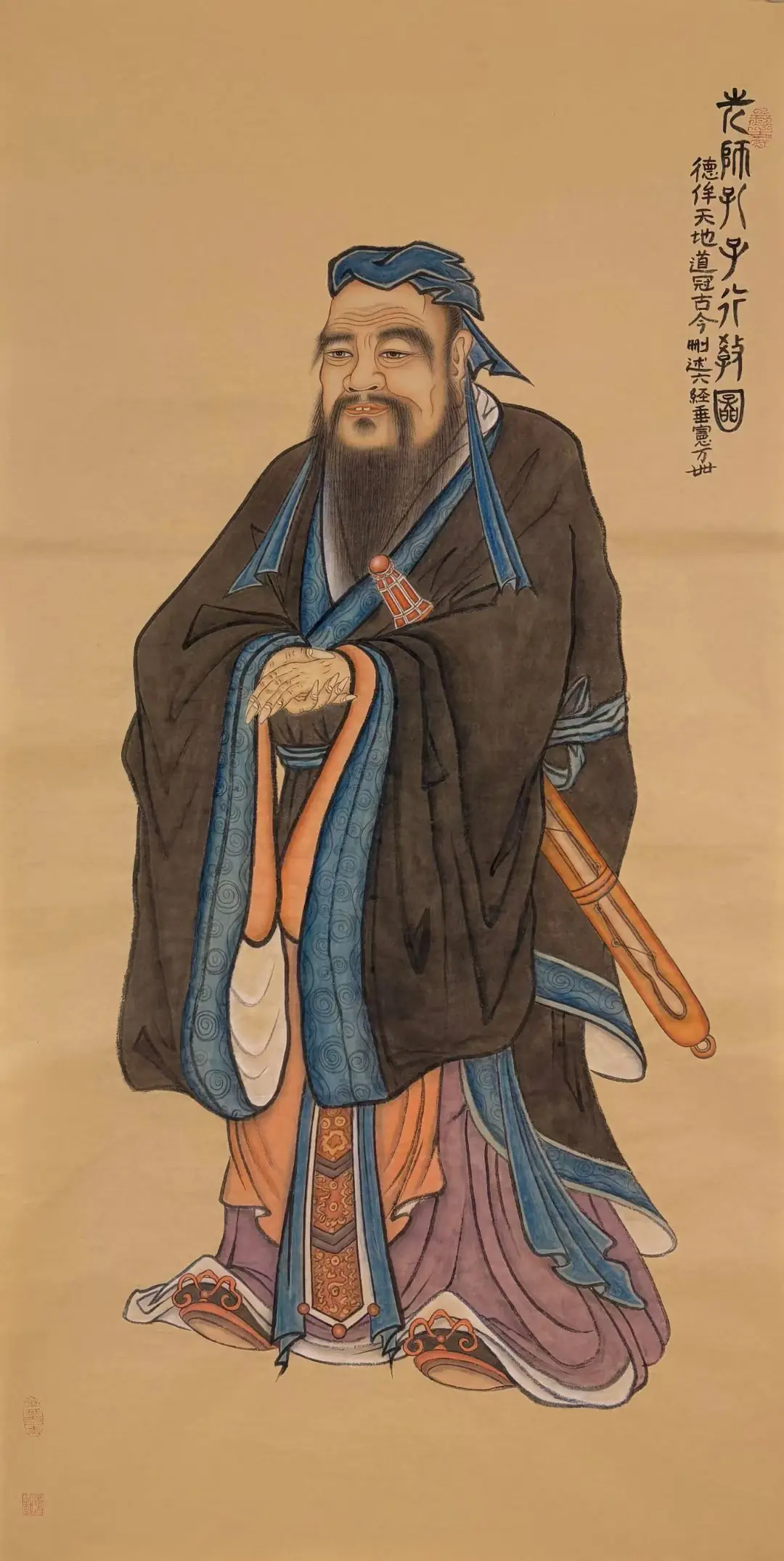
The Original Quote:
子曰:“骥不称其力,称其德也。”
Zǐ yuē: “Jì bù chēng qí lì, chēng qí dé yě.”
English Translation:
The Master said: “A noble steed is praised not for its strength, but for its virtue (dé).”
Key Concepts Explained:
- 德 (Dé): Moral virtue, inner character, or ethical power—the core quality that Confucianism elevates above all else, including talent or ability.
- 骥 (Jì): A swift horse or steed, used here as a metaphor for a talented person—one who may possess great capacity but is ultimately judged by moral integrity.
- 才 (Cái): Talent or ability, which Confucius subordinates to dé, warning that without virtue, even the greatest skills become tools for harm.
Cultural Context:
This passage from the Analects (论语, Lúnyǔ) encapsulates a foundational Confucian principle: moral character (dé) is the bedrock of personal and societal harmony. Confucius (551–479 BCE) lived during the chaotic Spring and Autumn period, when rulers often prized cunning and strength over ethics. By comparing a virtuous person to a prized horse, he underscores that true worth lies not in raw capability but in the discipline to use it rightly. This teaching influenced Chinese governance for millennia, where officials were selected through civil service exams emphasizing moral classics. In modern terms, Confucius warns against the “talent without virtue” archetype—seen in figures like King Zhou of Shang, whose brilliance led to tyranny—and urges a culture where ethical cultivation precedes skill acquisition, a lesson still resonant in leadership and education today.