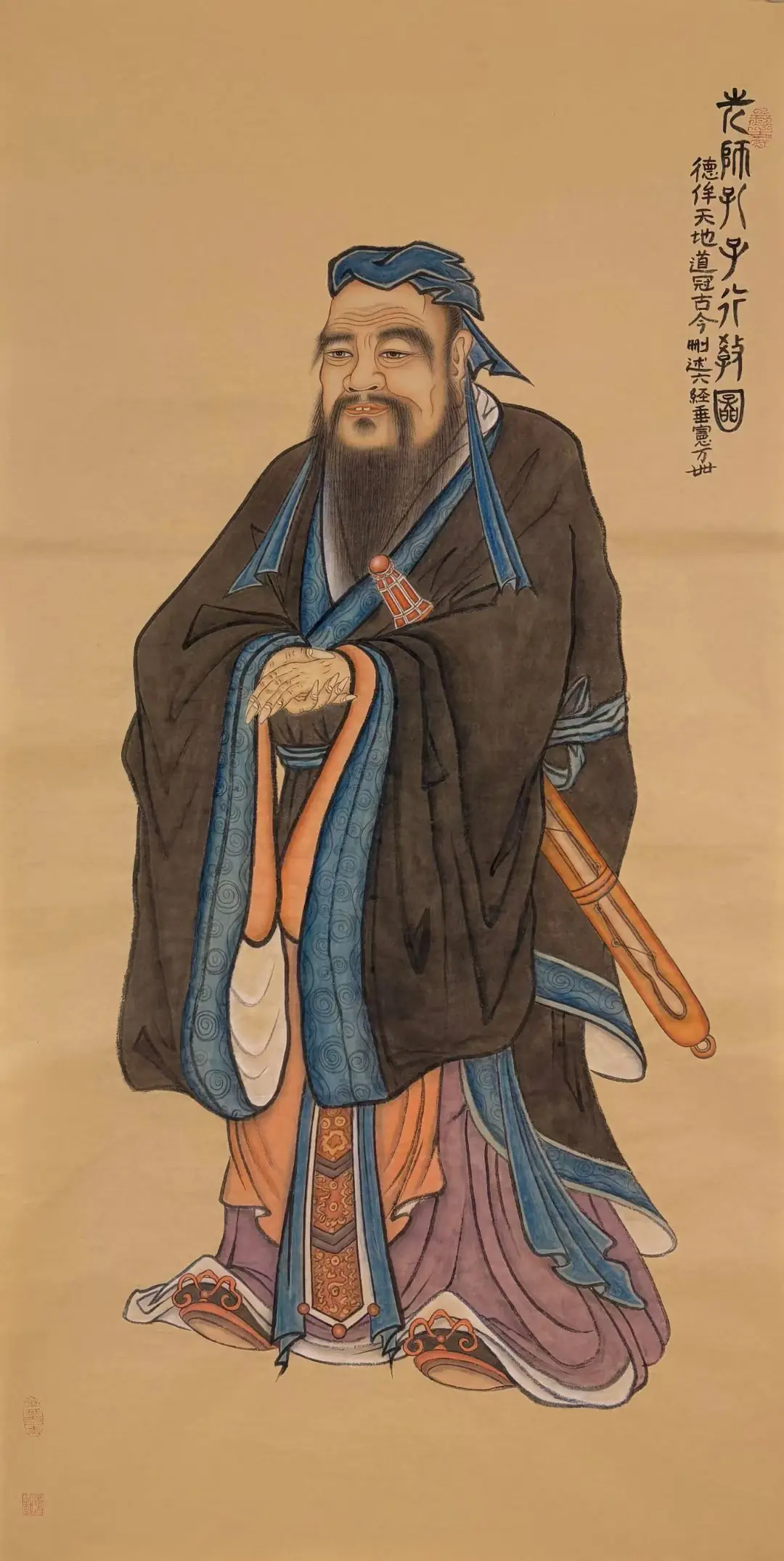
The Original Quote:
子路宿于石门,晨门曰:“奚自?”子路曰:“自孔氏。”曰:“是知其不可而为之者与?”
Zǐlù sù yú Shímén, chén mén yuē: “Xī zì?” Zǐlù yuē: “Zì Kǒng shì.” Yuē: “Shì zhī qí bù kě ér wéi zhī zhě yǔ?”
English Translation:
Zilu lodged for the night at the Stone Gate. At dawn, the gatekeeper asked, “Whence come you?” Zilu replied, “From the house of Kong.” The gatekeeper said, “Is he not the one who knows it cannot be done, yet persists in doing it?”
Key Concepts Explained:
- 命 (Mìng): Mandate or destiny, often implying the limits of human agency within a cosmic order; here, it underscores the tension between human effort and fate.
- 礼 (Lǐ): Ritual propriety, the social and moral framework that Confucius sought to restore, seen as essential for harmony yet increasingly impractical in his era.
- 仁 (Rén): Benevolence or humaneness, the core virtue of Confucianism, driving the moral imperative to act despite obstacles.
- 知其不可而为之 (Zhī qí bù kě ér wéi zhī): “Knowing it cannot be done, yet doing it”—a phrase epitomizing Confucius’s unwavering commitment to his ideals, even in the face of futility.
Cultural Context:
This passage from The Analects (c. 5th century BCE) captures Confucius’s life during the Spring and Autumn period, a time of political fragmentation and moral decay. Confucius traveled extensively to promote his vision of a restored Zhou dynasty order based on 礼 (Lǐ) and 仁 (Rén), but he faced rejection from rulers. The gatekeeper’s remark—“the one who knows it cannot be done, yet persists”—reflects contemporary skepticism, yet it also highlights Confucius’s enduring legacy: his belief in moral duty over pragmatic success. This concept later inspired figures like Zhuge Liang (Three Kingdoms period), who pursued seemingly impossible campaigns for righteousness. In Western educational contexts, it parallels ideals of resilience and ethical commitment, encouraging learners to value principled action over mere outcomes.