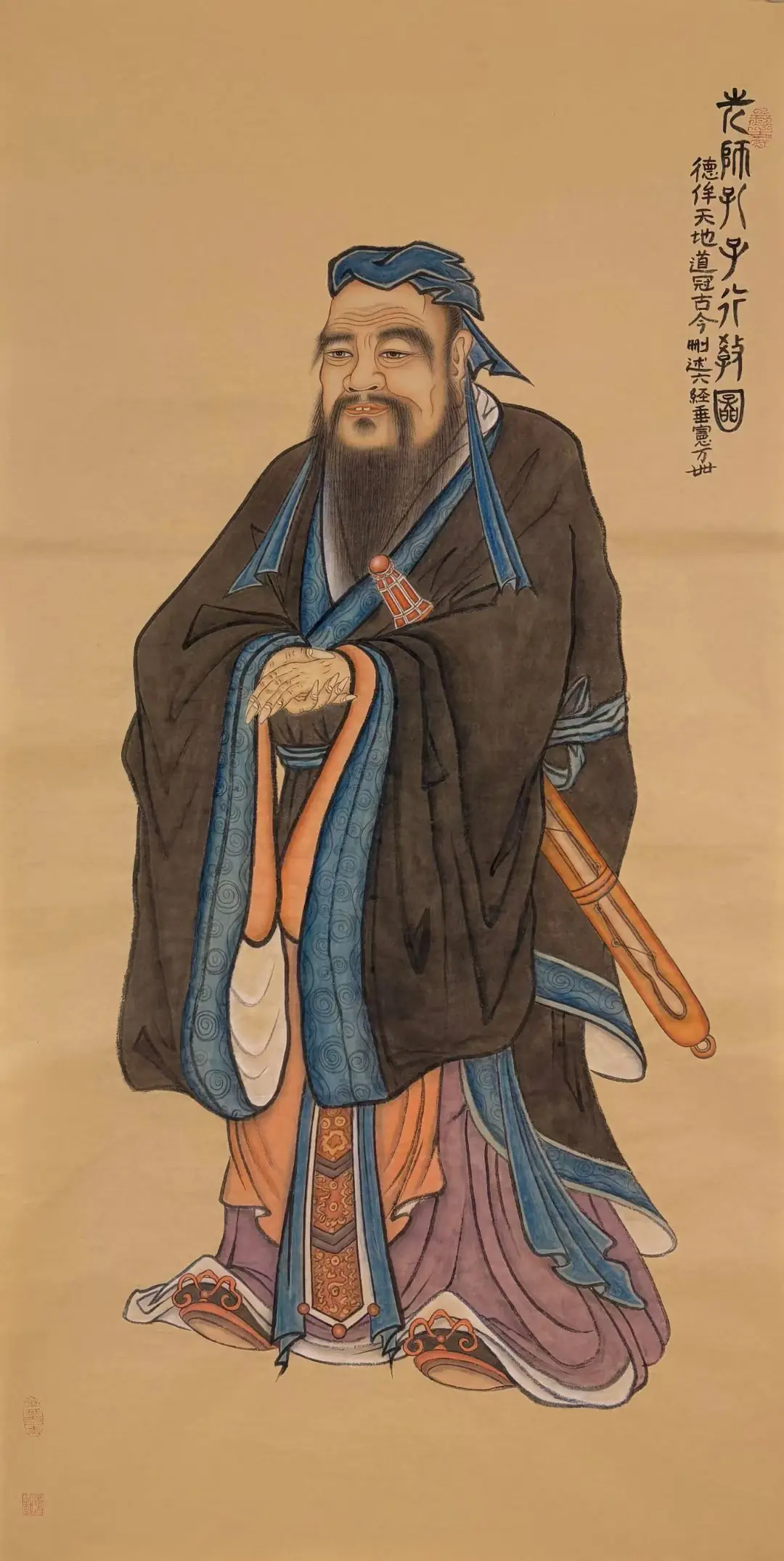
The Original Quote:
子曰:“人之生也直,罔之生也幸而免。”
Zǐ yuē: “Rén zhī shēng yě zhí, wǎng zhī shēng yě xìng ér miǎn.”
English Translation:
“Human beings live through rectitude; those who live without it survive only by good fortune and avoidance of calamity.”
Key Concepts Explained:
- Rectitude (直, zhí): Moral uprightness and inner integrity; the quality of being straightforward, honest, and aligned with ethical principles. In Confucian thought, it is not merely a personal virtue but the very condition for a meaningful and sustainable life.
- Deception (罔, wǎng): To act without moral direction, to be crooked or deceptive. This term implies a state of moral blindness or willful deviation from the Way (道, dào).
- Good Fortune (幸, xìng): Luck or fortunate avoidance; here it carries a cautionary tone—such survival is precarious and unsustainable, lacking the moral foundation that ensures true flourishing.
Cultural Context:
This passage from the Analects (雍也篇, Yōng Yě) reflects Confucius’s (孔子, Kǒngzǐ) deep conviction that moral integrity is not an optional adornment but the very fabric of human existence. In ancient Chinese society, where social harmony was seen as an extension of cosmic order, personal rectitude was believed to sustain both the individual and the community. Confucius warns that a life of deception may appear to succeed temporarily, but it is ultimately sustained only by chance—a fragile and unreliable foundation. This teaching has inspired generations of scholars and officials, from the incorruptible judge Bao Zheng (包拯) to the outspoken courtier Ji An (汲黯), who risked imperial displeasure to speak truth to power. The lesson endures: integrity is not merely about avoiding punishment, but about living authentically in alignment with one’s moral nature.