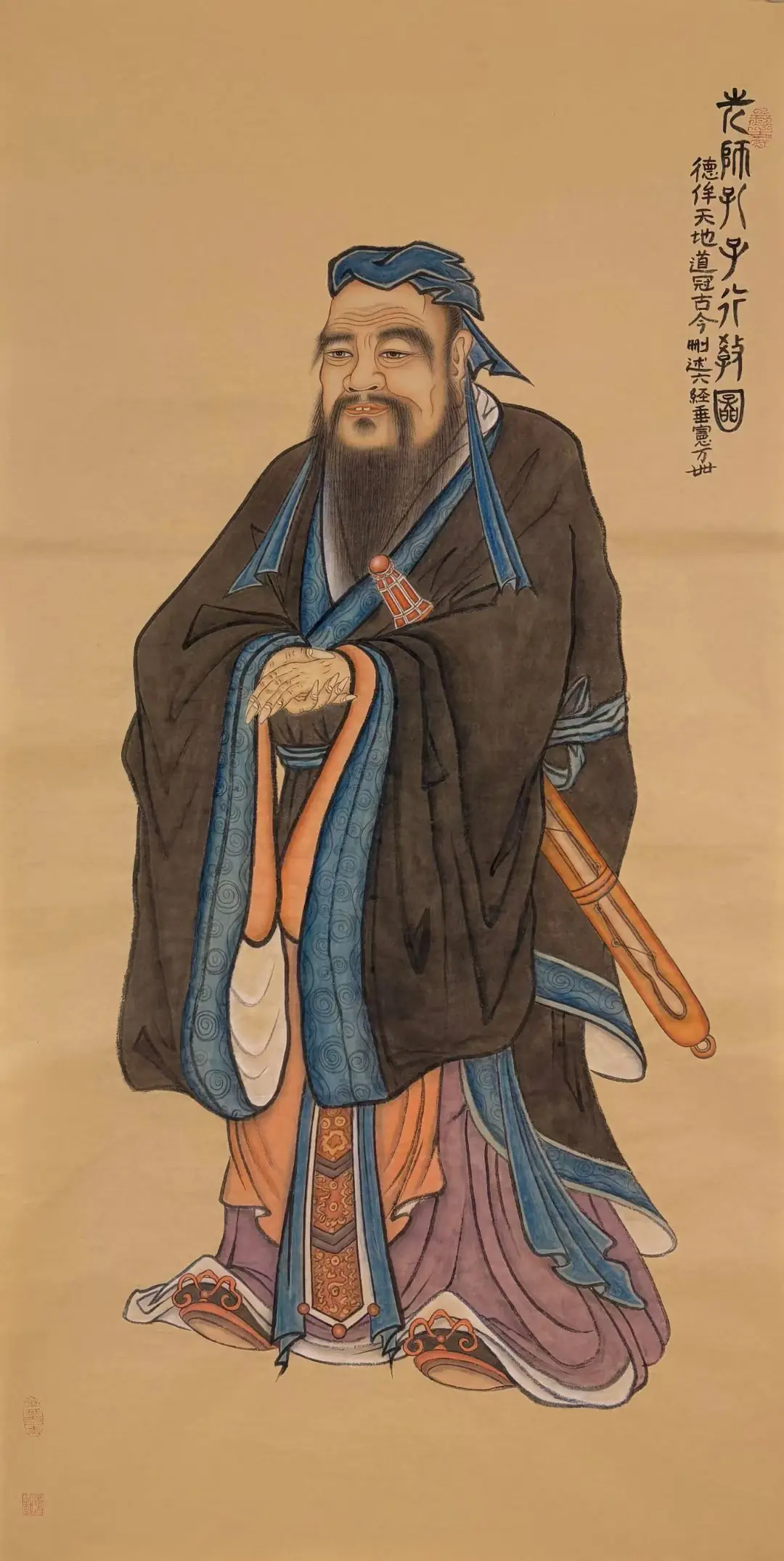
The Original Quote:
伯牛有疾,子问之,自牖执其手,曰:“亡之,命矣夫!斯人也而有斯疾也!斯人也而有斯疾也!”
Bó Niú yǒu jí, zǐ wèn zhī, zì yǒu zhí qí shǒu, yuē: “Wáng zhī, mìng yǐ fū! Sī rén yě ér yǒu sī jí yě! Sī rén yě ér yǒu sī jí yě!”
English Translation:
When Bo Niu fell ill, the Master went to inquire after him. Grasping his hand through the window, he said: “We are losing him—such is the Decree of Heaven! That a man of this virtue should suffer this affliction! That a man of this virtue should suffer this affliction!”
Key Concepts Explained:
- 命 (Mìng): The Decree of Heaven or fate—a transcendent force beyond human control, often accepted with resignation in Confucian thought.
- 仁 (Rén): Benevolence or humaneness—the core virtue of Confucianism, embodied here by Bo Niu, whose moral excellence makes his suffering seem unjust.
- 礼 (Lǐ): Ritual propriety—the framework of social conduct, subtly reflected in the Master’s visit and gesture, adhering to norms even in grief.
Cultural Context:
This passage from the Analects (Yong Ye, 6.10) captures Confucius’ profound sorrow at the illness of his disciple Ran Bo Niu, a paragon of virtue. In early Chinese thought, illness was often linked to moral failing, yet here Confucius confronts the paradox of a good man suffering. His repeated lament underscores a tension between human striving for virtue and the inscrutable workings of 命 (Mìng), reflecting a quiet acceptance of life’s mysteries. Historically, this moment reveals the master’s vulnerability, humanizing the sage while emphasizing the Confucian ideal of sincere relationships (renqing) even in the face of tragedy.