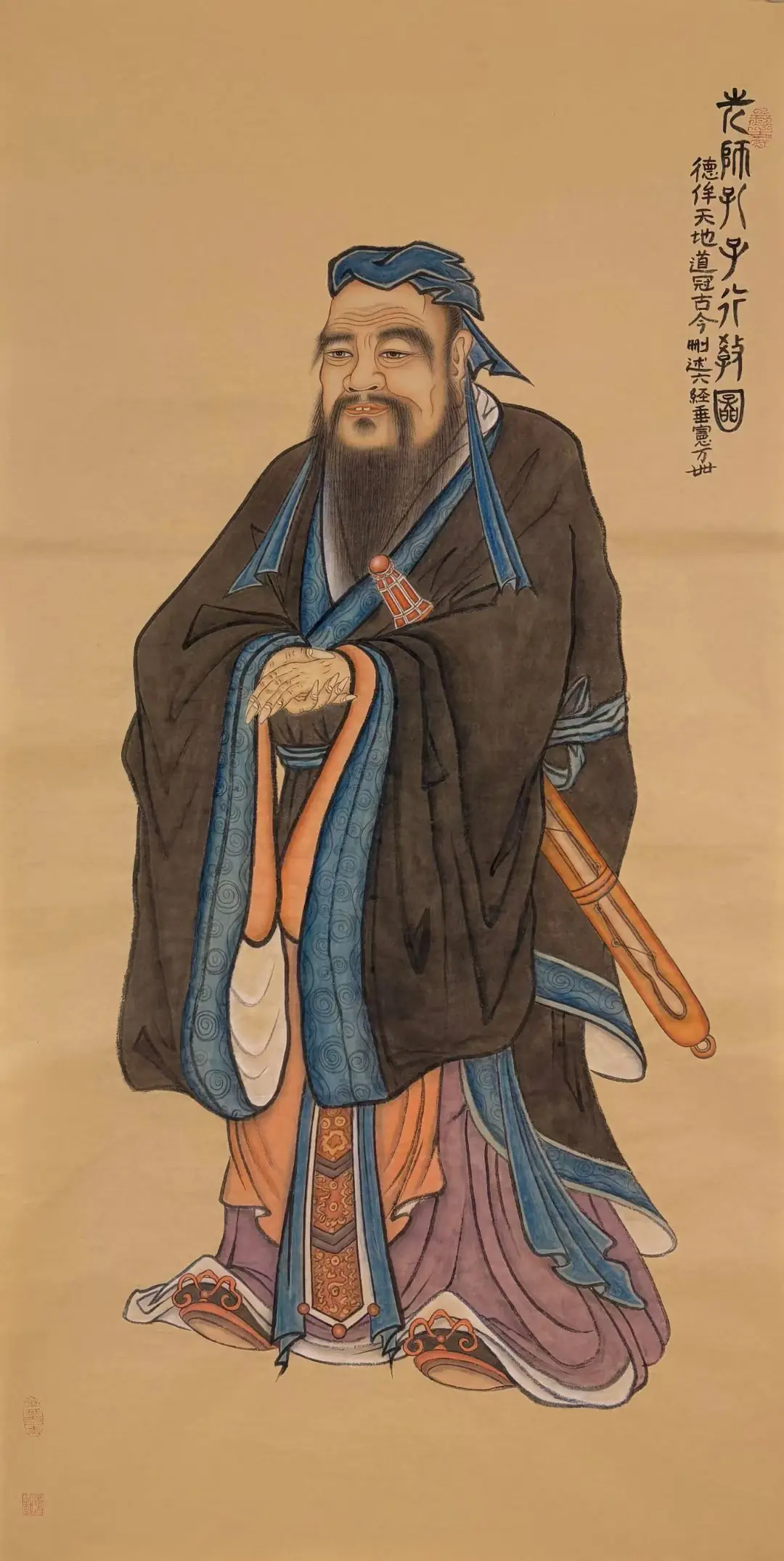
The Original Quote:
子谓仲弓曰:“犁牛之子骍且角,虽欲勿用,山川其舍诸?”
Zǐ wèi Zhòng Gōng yuē: “Lí niú zhī zǐ xīng qiě jiǎo, suī yù wù yòng, shān chuān qí shě zhū?”
English Translation:
The Master said to Zhong Gong: "The calf of a plough-ox may have a ruddy hide and well-formed horns; though men might wish to set it aside, would the spirits of the mountains and rivers reject it?"
Key Concepts Explained:
- 命 (Mìng): Mandate or destiny—here, the natural endowment of virtue and talent, which transcends social station.
- 礼 (Lǐ): Ritual propriety—the sacred order that values inner worth over outer rank, as seen in the sacrificial context.
- 仁 (Rén): Humaneness—the core virtue that Confucius believed could be cultivated by any person, regardless of birth.
- 贤 (Xián): Worthiness—moral excellence that renders one fit for high office, a principle opposing hereditary privilege.
Cultural Context:
This passage from the Analects (Yong Ye 6.6) reflects Confucius’s radical meritocratic ideal. Zhong Gong (Ran Yong) was a disciple of humble origin—his father was deemed unworthy—yet Confucius recognized his virtue and compared him to a perfect sacrificial calf. In Zhou dynasty ritual, only unblemished animals of noble lineage were offered to spirits; Confucius subverts this, arguing that innate moral quality outweighs pedigree. This teaching later influenced China’s civil examination system, which sought talent from all social strata, and resonates with the enduring proverb "英雄不问出身" (a hero's origin is not questioned).