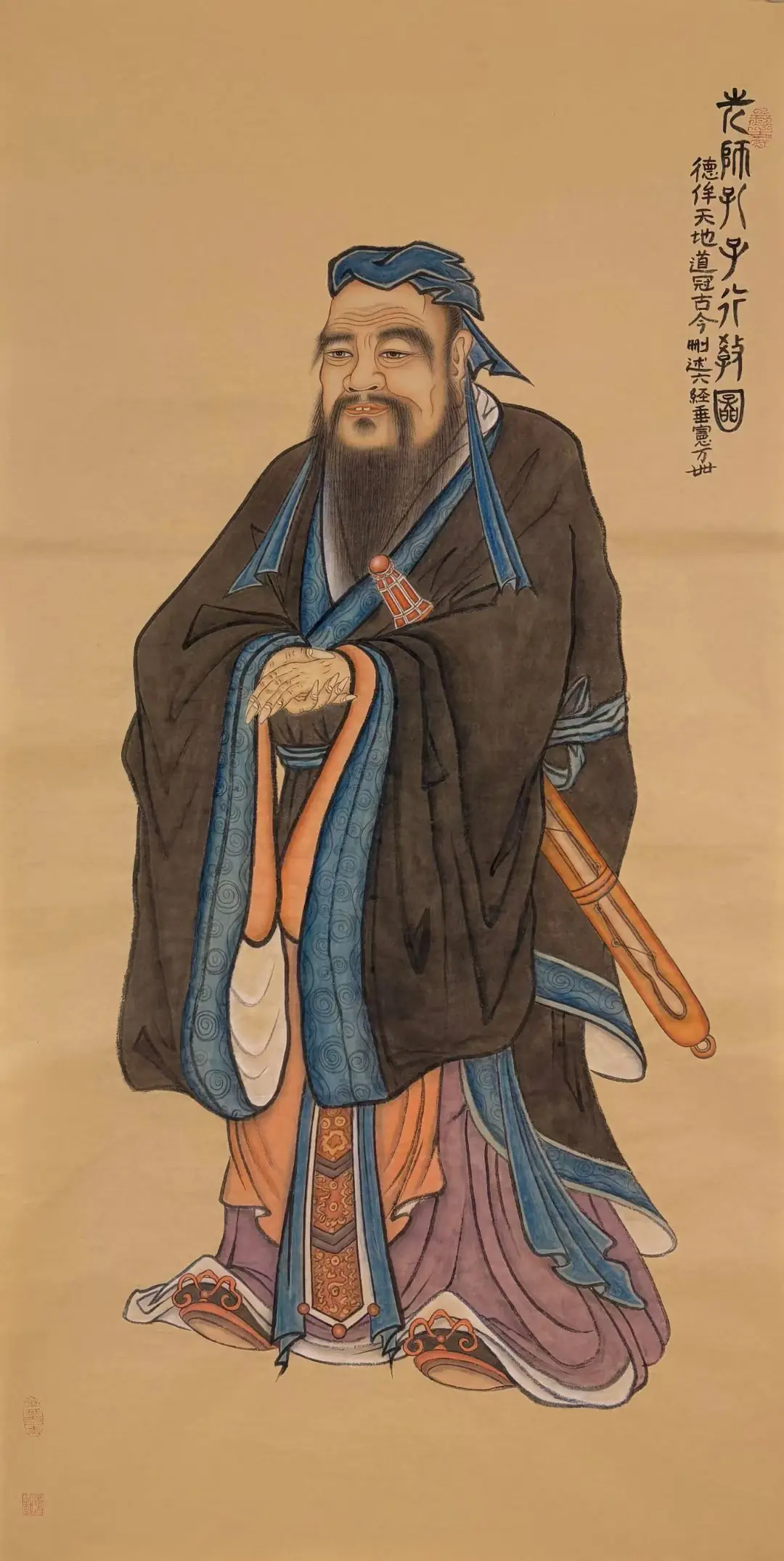
The Original Quote:
子谓子夏曰:“女为君子儒,毋为小人儒。”
Zǐ wèi Zǐxià yuē: "Rǔ wéi jūnzǐ rú, wú wéi xiǎorén rú."
English Translation:
"The Master said to Zixia: 'Be a scholar of the junzi (noble-minded) sort, not a scholar of the petty-minded sort.'"
Key Concepts Explained:
- Junzi (君子): Literally "ruler's son," but in Confucian ethics, it denotes a person of moral excellence, integrity, and benevolence—the ideal human character.
- Xiaoren (小人): Literally "small person," referring to one who is petty, self-interested, and lacking in moral cultivation—the opposite of the junzi.
- Ru (儒): In Confucian context, a scholar or learned person, but one whose knowledge must be aligned with virtue; it is not merely intellectual attainment.
- Ren (仁): Often translated as "benevolence" or "humaneness," it is the core Confucian virtue of empathetic and righteous conduct toward others.
- Li (礼): Ritual propriety or social norms, which guide the junzi in expressing Ren through proper behavior.
Cultural Context:
This teaching from the Analects (c. 5th century BCE) addresses the critical distinction between knowledge and moral purpose. In Confucius' time, the term ru referred to those trained in classical texts and rituals, often serving as advisors or officials. Confucius warns that such learning can be used for noble ends (serving society with ren) or for selfish gain (manipulation and exploitation). This duality is echoed in later histories, such as Sima Guang's Zizhi Tongjian, where he cautions that a clever but immoral person is "a tiger with wings," capable of immense harm. The text thus underscores the Confucian emphasis on moral self-cultivation (xiu shen) as the foundation of all learning, a principle that shaped Chinese education and governance for millennia.