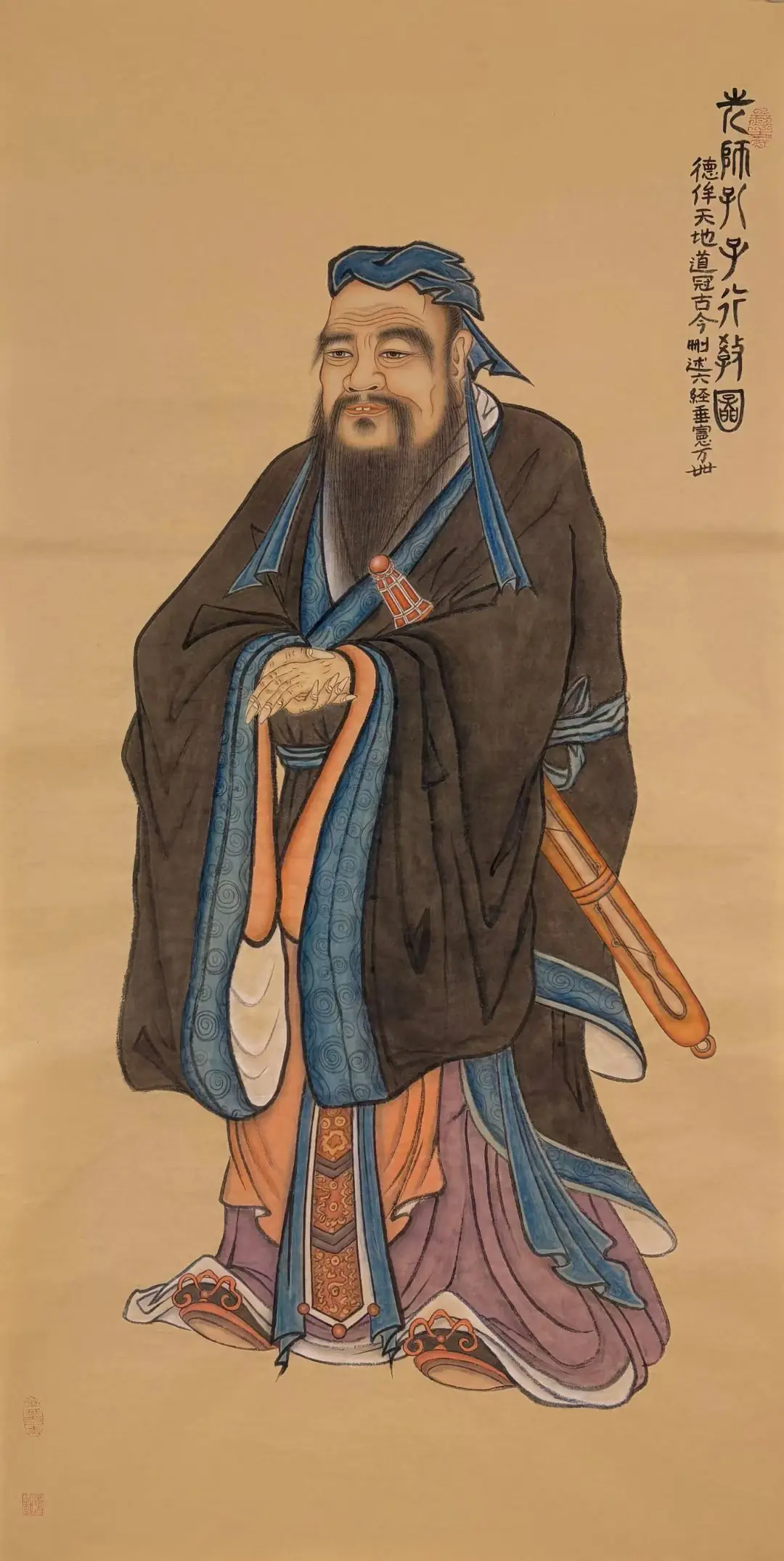
The Original Quote:
子曰:“质胜文则野,文胜质则史。文质彬彬,然后君子。”
Zǐ yuē: “Zhì shèng wén zé yě, wén shèng zhì zé shǐ. Wén zhì bīn bīn, rán hòu jūnzǐ.”
English Translation:
When substance prevails over refinement, one becomes rustic; when refinement prevails over substance, one becomes pedantic. Only when substance and refinement are harmoniously blended does one become a gentleman (jūnzǐ).
Key Concepts Explained:
- 质 (Zhì): Substance or innate nature—the raw, unadorned essence of a person, akin to sincerity and natural disposition.
- 文 (Wén): Refinement or cultural adornment—the cultivated grace derived from learning rites (礼, Lǐ), music, and classical texts.
- 君子 (Jūnzǐ): The ideal gentleman or noble person—one who embodies moral integrity, cultural attainment, and social harmony.
- 礼 (Lǐ): Ritual propriety—the framework of ethical conduct and social order that shapes wén.
- 仁 (Rén): Benevolence or humaneness—the inner virtue that gives substance (zhì) its moral depth.
Cultural Context:
This passage from the Analects (Yong Ye) encapsulates Confucius’s vision of self-cultivation as a balance between inner nature and outer refinement. In the Warring States period (475–221 BCE), when social hierarchies were fluid, Confucius sought to redefine aristocracy not by birth but by moral and cultural excellence. The jūnzǐ ideal later shaped Chinese education for over two millennia, emphasizing that true nobility arises from harmonizing one's innate sincerity (zhì) with learned civility (wén). This concept influenced Neo-Confucian debates on human nature and remains central to East Asian ideals of personal integrity and social grace.