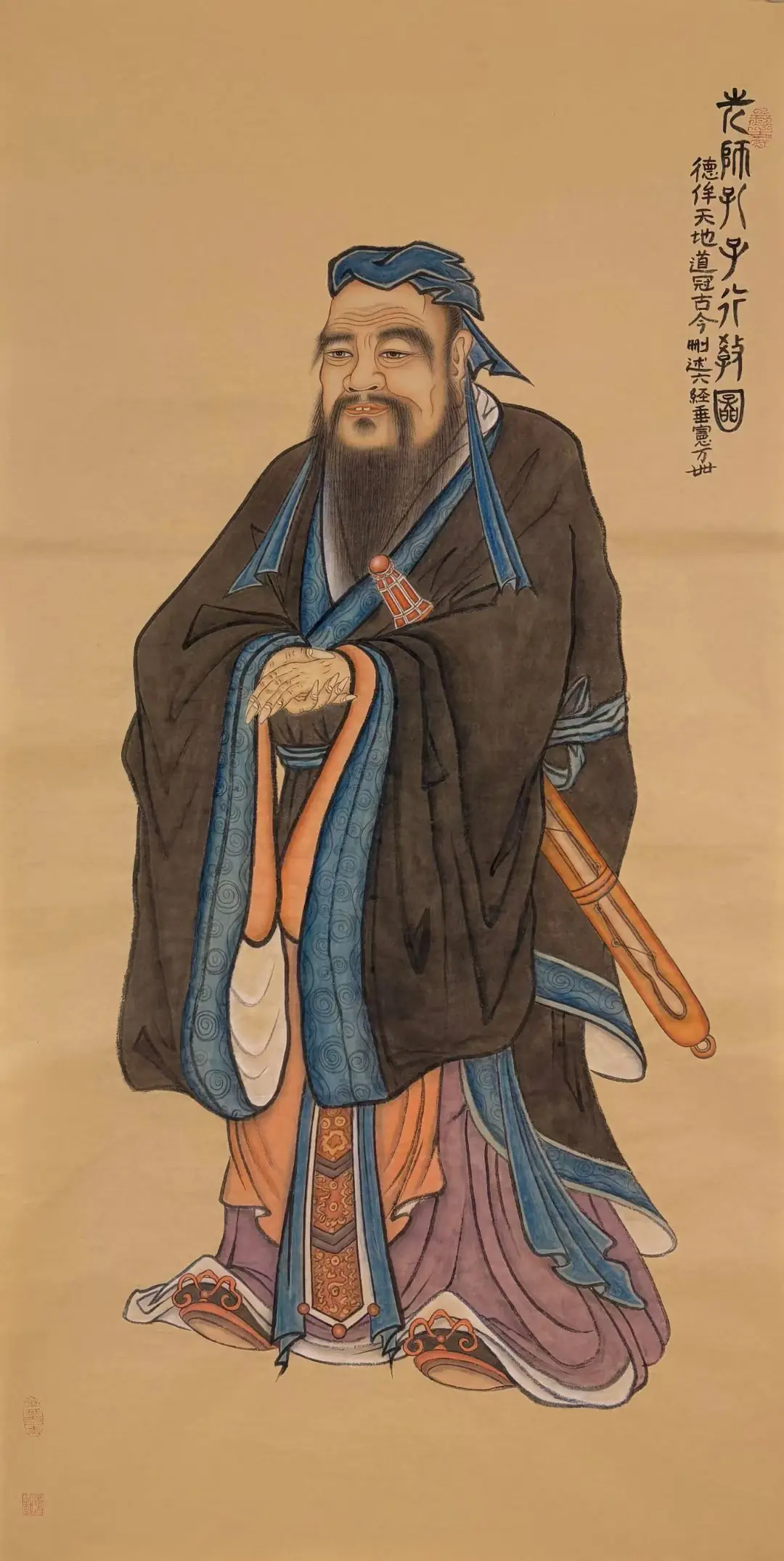
The Original Quote:
子曰:“知者乐水,仁者乐山。知者动,仁者静。知者乐,仁者寿。”
Zǐ yuē: "Zhī zhě lè shuǐ, rén zhě lè shān. Zhī zhě dòng, rén zhě jìng. Zhī zhě lè, rén zhě shòu."
English Translation:
The Master said: "The wise delight in water; the virtuous delight in mountains. The wise are active; the virtuous are still. The wise find joy; the virtuous find longevity."
Key Concepts Explained:
- 智 (Zhì): Wisdom or intelligence, characterized by adaptability, insight, and dynamic responsiveness—akin to the ever-flowing nature of water.
- 仁 (Rén): Benevolence or virtue, embodying steadfastness, compassion, and moral constancy—mirroring the enduring stability of mountains.
- 乐 (Lè): Joy or delight, not merely as fleeting pleasure but as a profound contentment arising from alignment with one's nature and the Dao (Way).
- 寿 (Shòu): Longevity or enduring life, reflecting the tranquil and unshaken spirit of the virtuous, which fosters physical and spiritual resilience.
Cultural Context:
This passage from the Analects (Lunyu 6.23) is a cornerstone of Confucian aesthetics and moral philosophy, illustrating how natural landscapes serve as metaphors for human virtues. In traditional Chinese thought, water represents flexibility, wisdom, and the capacity to overcome obstacles through gentle persistence, while mountains symbolize reliability, moral gravity, and the nurturing of life. This teaching has profoundly influenced Chinese literati culture, inspiring a tradition of "mountain-and-water" (山水 shān shuǐ) painting and poetry, where scholars sought to cultivate their character by immersing in nature. Confucius here emphasizes that true wisdom and virtue are not abstract ideals but lived qualities reflected in one's demeanor and relationship with the world.