The Original Quote:
冉求曰:“非不说子之道,力不足也。”子曰:“力不足者,中道而废,今女画。”
Rǎn Qiú yuē: "Fēi bù shuō zǐ zhī dào, lì bù zú yě." Zǐ yuē: "Lì bù zú zhě, zhōng dào ér fèi, jīn rǔ huà."
English Translation:
Ran Qiu said: "It is not that I am not delighted by the Master's Way, but that my strength is insufficient." The Master replied: "One whose strength is truly insufficient gives up midway. Now you have drawn a boundary for yourself and refuse to advance."
Key Concepts Explained:
- 道 (dào): The Way — the moral path and teachings of Confucius, embodying virtue and proper conduct.
- 力 (lì): Strength or capacity — here referring to one's inner resolve and effort, not physical power.
- 画 (huà): To draw a line or set limits — a metaphor for self-imposed barriers that hinder growth.
- 中道而废 (zhōng dào ér fèi): To give up halfway — a failure of perseverance, not of innate ability.
Cultural Context:
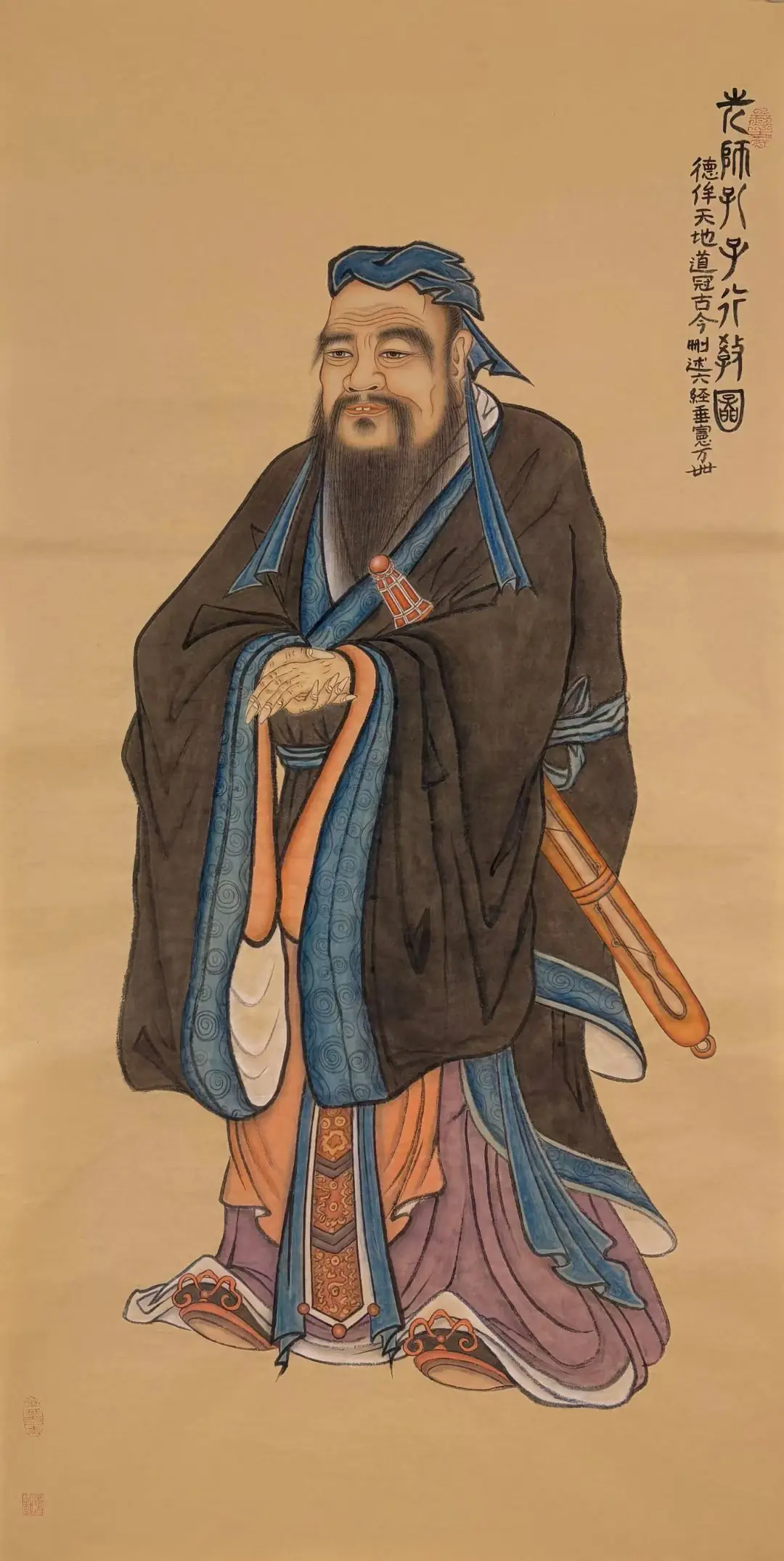
This dialogue from the Analects (Lunyu 6.12) illustrates Confucius's role as a transformative teacher who fosters self-confidence in his disciples. In ancient China, self-cultivation (修身, xiū shēn) was seen as a lifelong pursuit, and Confucius often warned against mental defeatism. The phrase "今女画" (now you have drawn a line) critiques the tendency to fear difficulty before attempting the task. This reflects the Confucian belief that the greatest obstacles lie within the mind, and that breaking free from self-imposed limitations is essential for moral and intellectual progress.