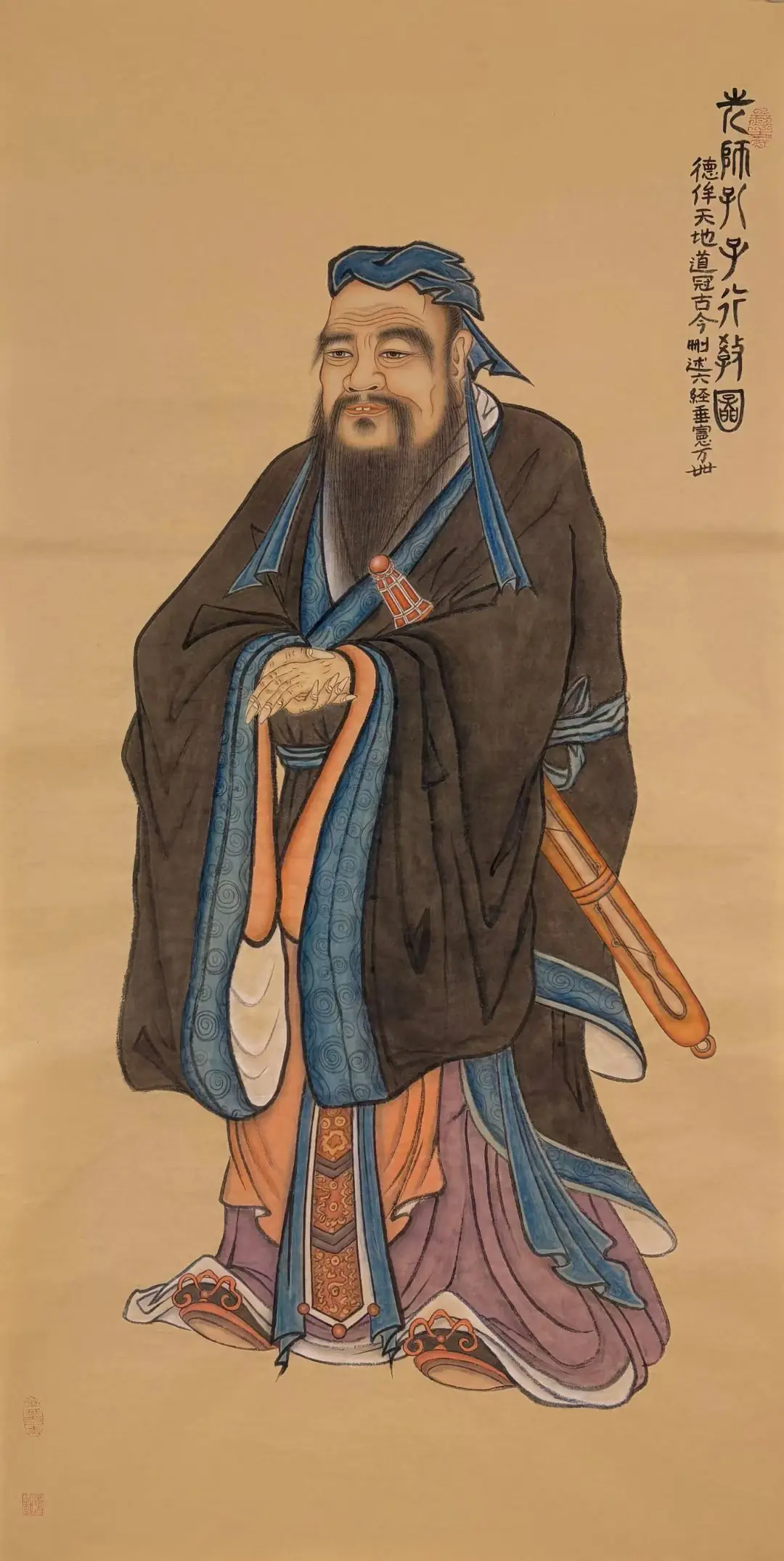
The Original Quote:
子曰:“知之者不如好之者;好之者不如乐之者。”
Zǐ yuē: “Zhī zhī zhě bùrú hào zhī zhě; hào zhī zhě bùrú lè zhī zhě.”
English Translation:
“Those who know it are not equal to those who love it; those who love it are not equal to those who take joy in it.”
Key Concepts Explained:
- Zhī (知): Knowledge or intellectual understanding—the first level of learning, where one merely recognizes facts or skills.
- Hào (好): Affection or fondness—the second level, where personal interest transforms learning into a pursuit of passion.
- Lè (乐): Joy or delight—the highest level, where learning becomes an intrinsic source of happiness, merging the learner with the subject.
Cultural Context:
This passage from the Analects (Lúnyǔ) reflects Confucius’s emphasis on affective engagement in education, a cornerstone of classical Chinese pedagogy. It distinguishes three progressive stages: passive awareness, active interest, and joyful immersion. Historically, this teaching shaped Confucian learning as a lifelong, holistic process—not merely rote memorization but a path to personal fulfillment. The ideal of “lè” (joy) elevated education from utilitarian skill acquisition to a moral and aesthetic experience, influencing East Asian traditions from the Song dynasty’s Neo-Confucian academies to modern Chinese educational philosophy. This hierarchy remains culturally resonant, promoting intrinsic motivation over external reward.