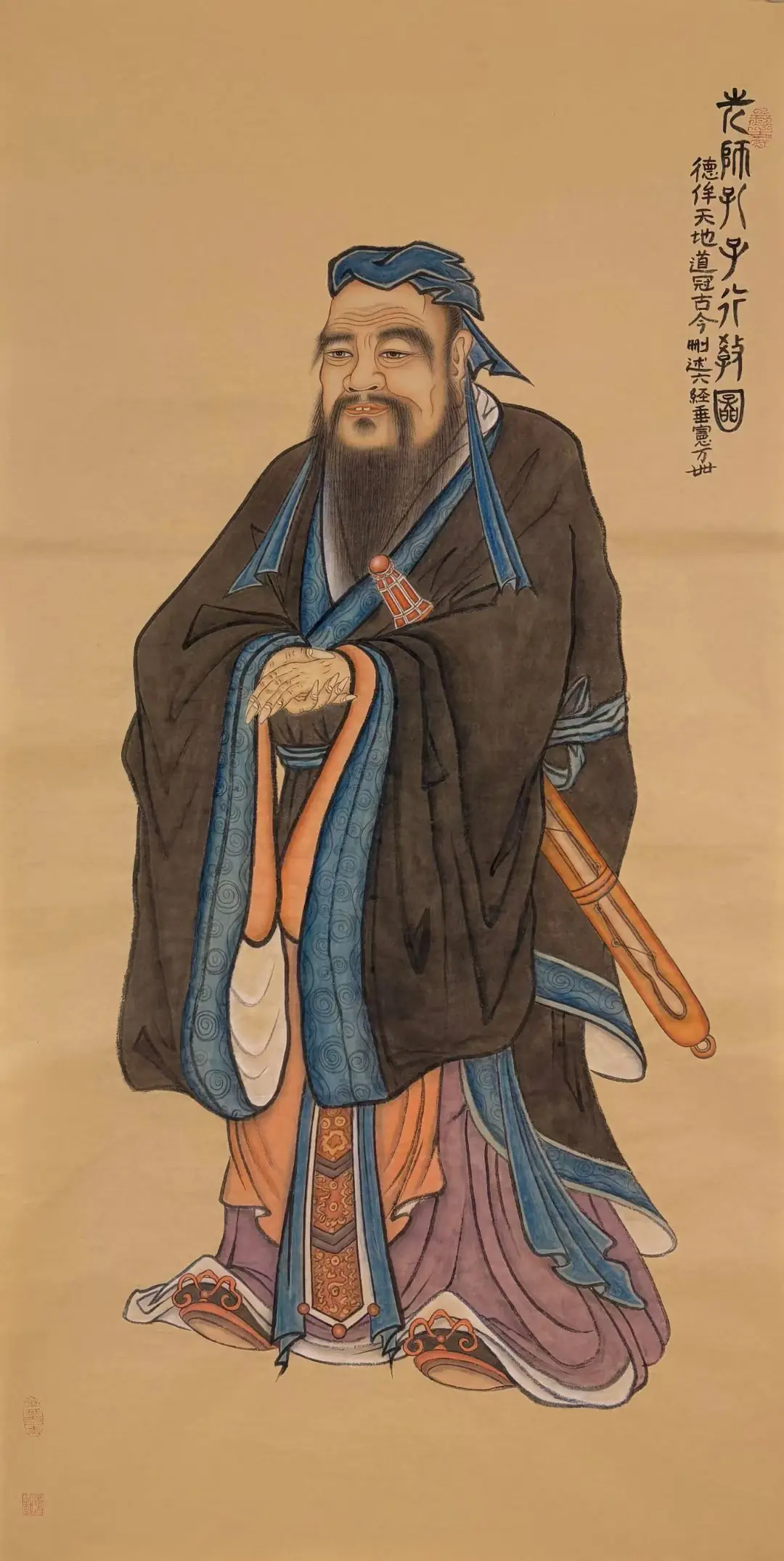
The Original Quote:
子曰:“中庸之为德也,其至矣乎!民鲜久矣。”
Zǐ yuē: “Zhōngyōng zhī wéi dé yě, qí zhì yǐ hū! Mín xiǎn jiǔ yǐ.”
English Translation:
The Master said: “Zhongyong (the Mean) as a moral virtue—how supreme it is! Yet for long the people have been lacking in it.”
Key Concepts Explained:
- 中庸 (Zhōngyōng): The Doctrine of the Mean—a state of perfect balance and harmony, avoiding excess and deficiency in thought and action; it is both a philosophical principle and the highest moral ideal in Confucianism.
- 德 (Dé): Virtue or moral power—the inner quality of moral excellence that manifests in righteous conduct and harmony with the Dao (Way).
- 至 (Zhì): Supreme or ultimate—indicating the highest degree of attainment or perfection.
- 民 (Mín): The people or common folk—referring to society at large in the context of moral cultivation.
Cultural Context:
This passage from the Analects (Lunyu 6.29) is the sole direct mention of Zhongyong in Confucius’ recorded dialogues, yet it reveals its paramount importance. The concept later became a cornerstone of Confucian philosophy, developed extensively in the “Zhongyong” chapter of the Liji (Book of Rites). Historically, Confucius lamented the decline of moral harmony in the chaotic Spring and Autumn period (770–476 BCE), when feudal states vied for power and traditional rites (礼, Lǐ) eroded. Zhongyong advocates a middle path—neither rigid nor lax—that fosters social stability through personal self-cultivation. It is not mere compromise or fence-sitting, but a dynamic equilibrium that integrates opposites (e.g., firmness and gentleness) to achieve a state of inner and outer harmony, reflecting the Confucian ideal of a well-ordered society rooted in virtue.