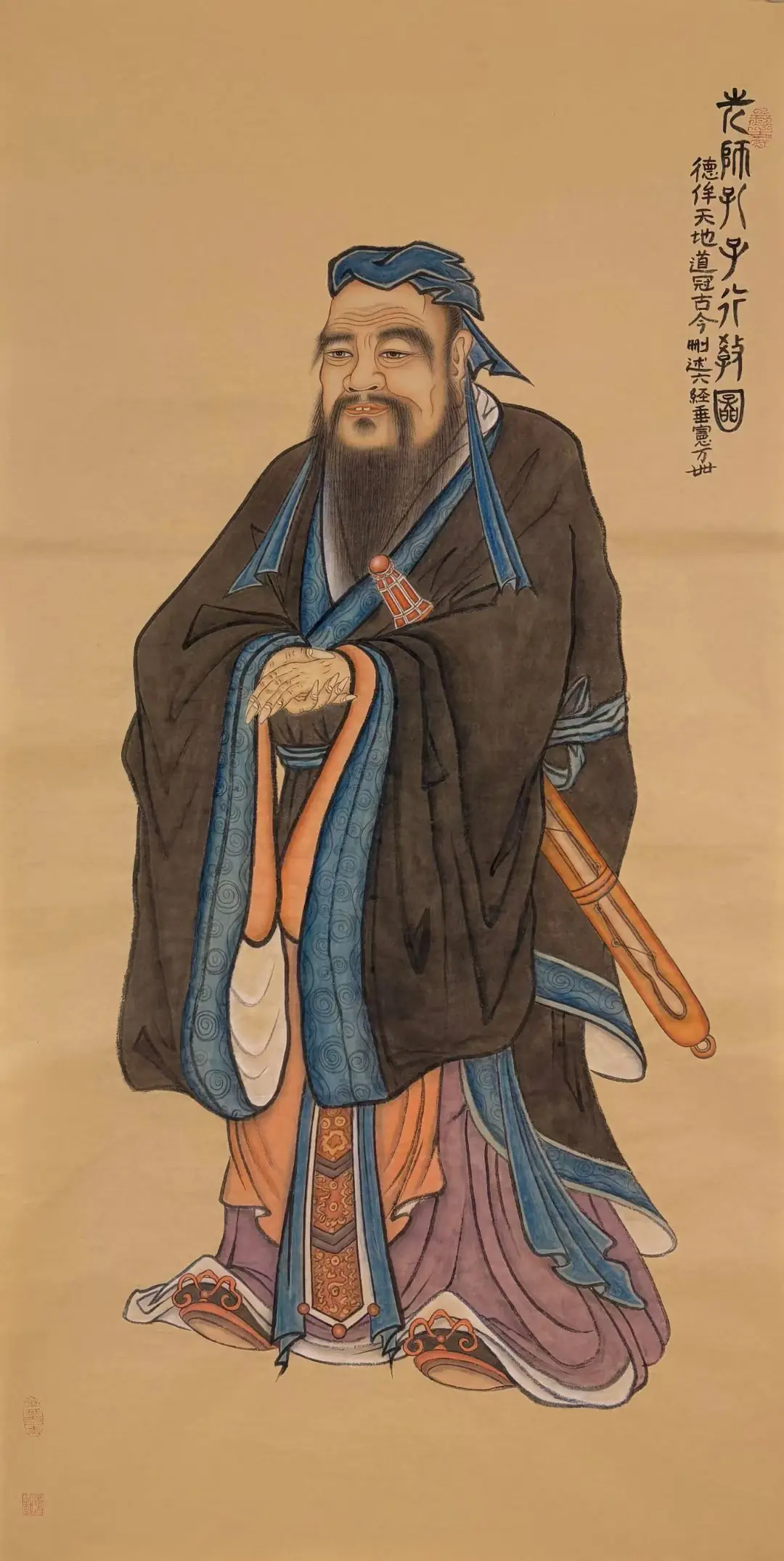
The Original Quote:
子华使于齐,冉子为其母请粟,子曰:“与之釜。”请益,曰:“与之庾。”冉子与之粟五秉。子曰:“赤之适齐也,乘肥马,衣轻裘。吾闻之也,君子周急不继富。”
Zǐ Huá shǐ yú Qí, Rǎn zǐ wèi qí mǔ qǐng sù, zǐ yuē: “Yǔ zhī fǔ.” Qǐng yì, yuē: “Yǔ zhī yǔ.” Rǎn zǐ yǔ zhī sù wǔ bǐng. Zǐ yuē: “Chì zhī shì Qí yě, chéng féi mǎ, yī qīng qiú. Wú wén zhī yě, jūnzǐ zhōu jí bù jì fù.”
English Translation:
When Zihua was sent on a mission to Qi, Ranzi requested grain for his mother. The Master said, “Give her a fu.” Ranzi asked to increase it, and the Master said, “Give her a yu.” Yet Ranzi gave her five bing of grain. The Master said, “When Chi went to Qi, he rode well-fed horses and wore light furs. I have heard it said: The noble person aids the urgently needy, not the already affluent.”
Key Concepts Explained:
- Junzi (君子): The "noble person" or "exemplary individual" in Confucian thought, one who cultivates virtue and acts with moral integrity, prioritizing righteousness over personal gain.
- Ren (仁): "Benevolence" or "humaneness," the core Confucian virtue of compassion and love for others, expressed through timely and appropriate action.
- Li (礼): "Ritual propriety" or "rites," the social norms and customs that guide ethical behavior, ensuring actions align with one's role and context.
- Zhou ji (周急): "Aiding the urgent" or "relieving immediate distress," emphasizing the moral duty to help those in pressing need, rather than those already comfortable.
Cultural Context:
This passage from the Analects (Lunyu 6.4) reflects Confucius's pragmatic approach to charity, rooted in the principle of timely compassion. In ancient China, grain was a common form of aid, and the story critiques Ranzi's excessive generosity to a family that was not in dire need, as Zihua's affluent lifestyle indicated. Confucius advocates for "aiding the urgent" (zhou ji), a concept later echoed in historical examples like Emperor Taizong of Song providing coal and grain to the poor during a harsh winter. This teaching underscores the Confucian ideal of prioritizing genuine need over social climbing or wasteful charity, a lesson still relevant in modern philanthropy and interpersonal ethics.