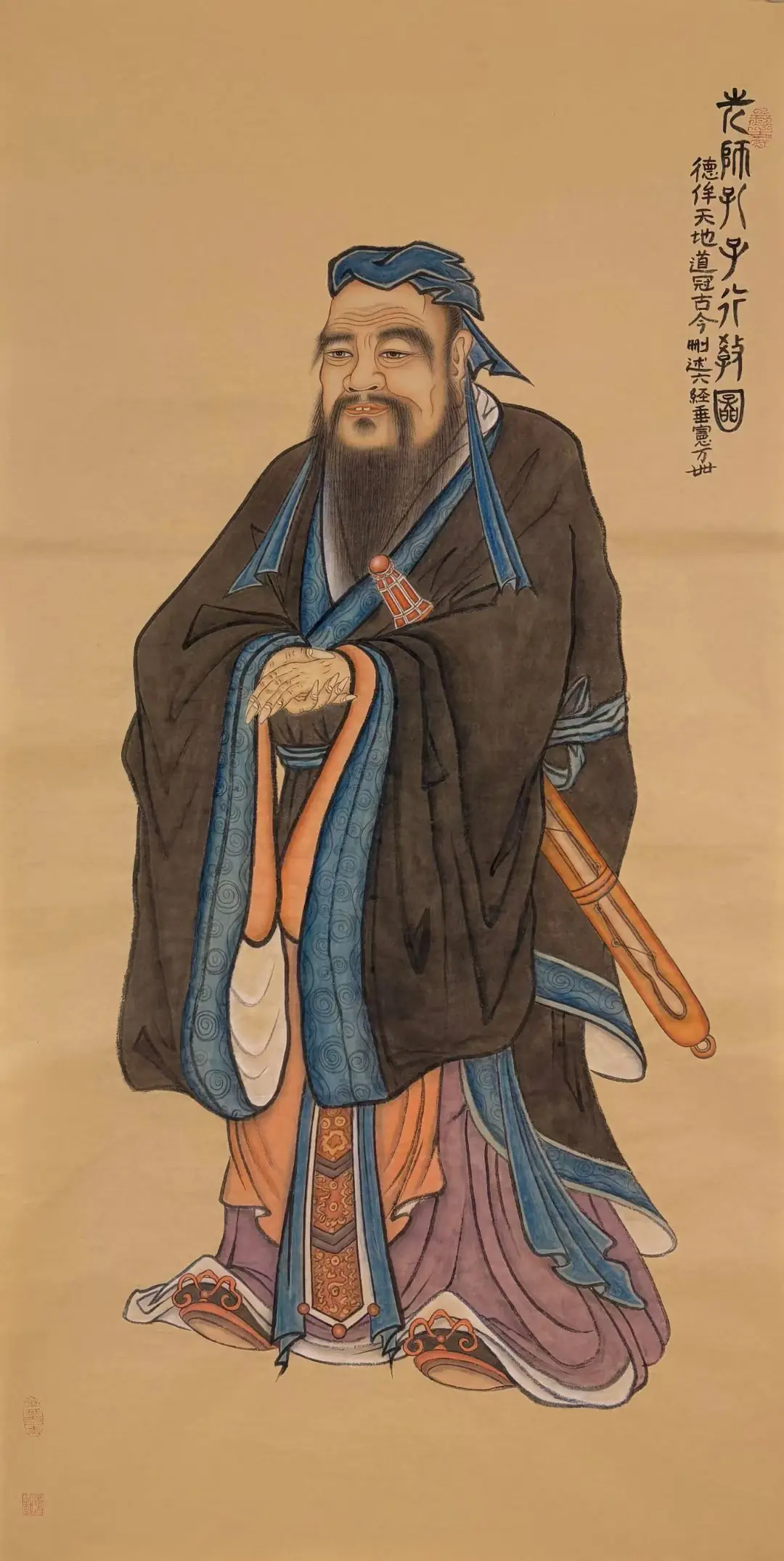
The Original Quote:
子谓颜渊曰:“用之则行,舍之则藏,惟我与尔有是夫!”子路曰:“子行三军,则谁与?”子曰:“暴虎冯河,死而无悔者,吾不与也。必也临事而惧,好谋而成者也。”
Zǐ wèi Yán Yuān yuē: “Yòng zhī zé xíng, shě zhī zé cáng, wéi wǒ yǔ ěr yǒu shì fū!” Zǐ Lù yuē: “Zǐ xíng sān jūn, zé shuí yǔ?” Zǐ yuē: “Bào hǔ píng hé, sǐ ér wú huǐ zhě, wú bù yǔ yě. Bì yě lín shì ér jù, hào móu ér chéng zhě yě.”
English Translation:
The Master said to Yan Yuan, "When called to serve, we act; when set aside, we withdraw—only you and I possess this wisdom." Zilu asked, "If you were to command the Three Armies, whom would you take with you?" The Master replied, "One who fights a tiger bare-handed or crosses a river on foot, dying without regret—I would not take him. Surely, I would take one who approaches affairs with caution, delights in planning, and brings matters to completion."
Key Concepts Explained:
- Yòng Shě Xíng Cáng (用舍行藏): A Confucian principle of adapting to circumstance—acting when employed (yòng) and withdrawing when set aside (shě), reflecting wisdom in timing and humility.
- Rén (仁): Benevolence or humaneness, the core Confucian virtue embodied by Yan Yuan in his balanced response to worldly affairs.
- Yǒng (勇): Courage, which Confucius refines from mere physical bravery to a quality tempered with strategic thinking (móu, 谋).
- Lǐ (礼): Ritual propriety, underlying the ideal of measured action versus reckless impulse (as seen in Zilu's later fate).
Cultural Context:
This passage from the Analects (Book 7, Chapter 11) contrasts two disciples: Yan Yuan, embodying the Confucian sage who harmonizes with fate (mìng, 命) through flexibility, and Zilu, a brave but impulsive warrior. Confucius critiques "foolhardy courage" (bào hǔ píng hé, "fighting a tiger bare-handed") as self-destructive, advocating instead for "cautious deliberation" (lín shì ér jù). Historically, Zilu's tragic death in 480 BCE—dying while adjusting his cap in battle—illustrates the danger of rigidity. The teaching remains central to Confucian ethics: true virtue integrates moral conviction with practical wisdom, balancing action and retreat, courage and strategy.