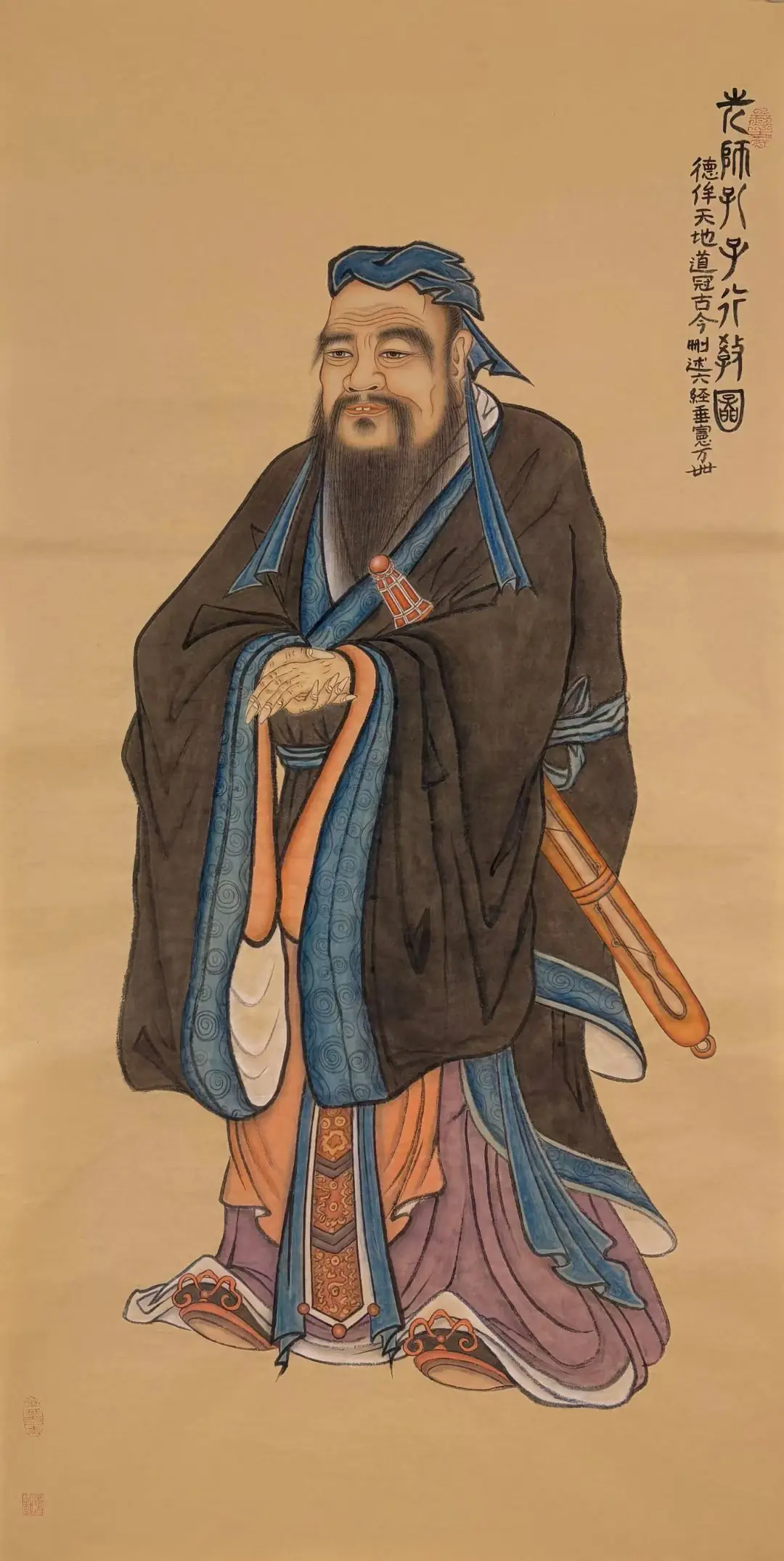
The Original Quote:
子曰:“甚矣,吾衰也!久矣,吾不复梦见周公。”
Zǐ yuē: “Shèn yǐ, wú shuāi yě! Jiǔ yǐ, wú bù fù mèng jiàn Zhōu Gōng.”
English Translation:
“How greatly have I declined! For long now, I have not again dreamt of the Duke of Zhou.”
Key Concepts Explained:
- 命 (Mìng): The concept of fate or mandate, reflecting the inescapable limits of time and circumstance, yet not a call to abandon purpose.
- 礼 (Lǐ): Ritual propriety and the social order embodied by the Duke of Zhou, representing the ideal of a harmonious society grounded in tradition.
- 仁 (Rén): Humaneness or benevolence, the inner virtue that drives the pursuit of such ideals even when external conditions are unfavorable.
Cultural Context:
The Duke of Zhou, a foundational figure in early Chinese civilization, was revered by Confucius as the architect of the Zhou dynasty’s golden age of ritual and governance. This lament, uttered in Confucius’s later years, reveals not despair but a poignant awareness of mortality juxtaposed with an unyielding commitment to moral revival. In the Confucian tradition, dreaming of the Duke of Zhou symbolized the scholar’s aspiration to restore order through virtue—a dream that, even if unfulfilled, gives life meaning and direction.