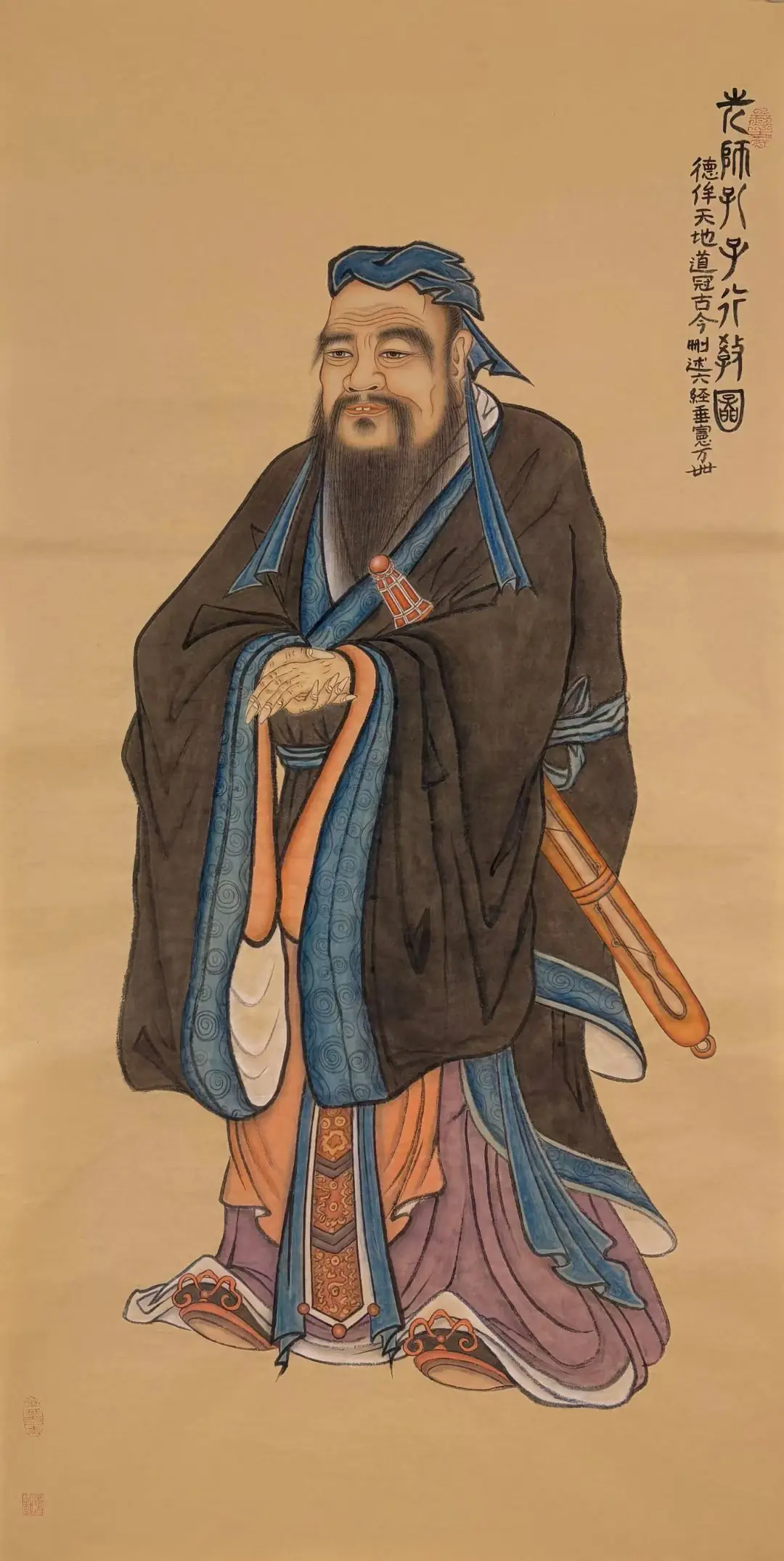
The Original Quote:
冉有曰:“夫子为卫君乎?”子贡曰:“诺,吾将问之。”入,曰:“伯夷、叔齐何人也?”曰:“古之贤人也。”曰:“怨乎?”曰:“求仁而得仁,又何怨?”出,曰:“夫子不为也。”
Rǎn Yǒu yuē: "Fūzǐ wèi Wèi jūn hū?" Zǐgòng yuē: "Nuò, wú jiāng wèn zhī." Rù, yuē: "Bó Yí, Shū Qí hé rén yě?" Yuē: "Gǔ zhī xián rén yě." Yuē: "Yuàn hū?" Yuē: "Qiú rén ér dé rén, yòu hé yuàn?" Chū, yuē: "Fūzǐ bù wèi yě."
English Translation:
Ran You inquired, "Will the Master lend support to the ruler of Wei?" Zigong replied, "Indeed, I shall ask him." Entering the Master's chamber, Zigong said, "What manner of men were Bo Yi and Shu Qi?" The Master answered, "They were sages of antiquity." Zigong continued, "Did they harbor any resentment?" The Master responded, "They sought benevolence (rén) and attained benevolence—what resentment could there be?" Exiting, Zigong said to Ran You, "The Master will not lend his support."
Key Concepts Explained:
- Rén (仁): The core Confucian virtue of benevolence, humaneness, or moral perfection, achieved through self-cultivation and righteous action, as exemplified by Bo Yi and Shu Qi.
- Lǐ (礼): Ritual propriety and social norms, which the Wei ruler violated by usurping power, thus making him unworthy of Confucius's support.
- Mìng (命): The concept of fate or moral mandate, suggesting that one's actions should align with ethical principles rather than opportunistic gain.
- Xián (贤): Moral worthiness or sagehood, attributed to Bo Yi and Shu Qi for their steadfast commitment to virtue over personal ambition.
Cultural Context:
This passage from the Analects (Lúnyǔ) illustrates the Confucian emphasis on indirect communication and moral reasoning. During the Spring and Autumn period (770–476 BCE), the state of Wei was embroiled in a succession conflict where a father and son vied for power, violating the principle of lǐ. Zigong's clever use of historical exemplars—Bo Yi and Shu Qi, who renounced a kingdom to avoid moral compromise—allowed him to discern Confucius's stance without direct confrontation. This reflects the Chinese cultural value of "qū jìng tōng yōu" (曲径通幽), or achieving understanding through subtlety, a skill crucial in navigating complex social hierarchies. The episode underscores that Confucian ethics prioritize moral integrity over political expediency, a timeless lesson in principled decision-making.