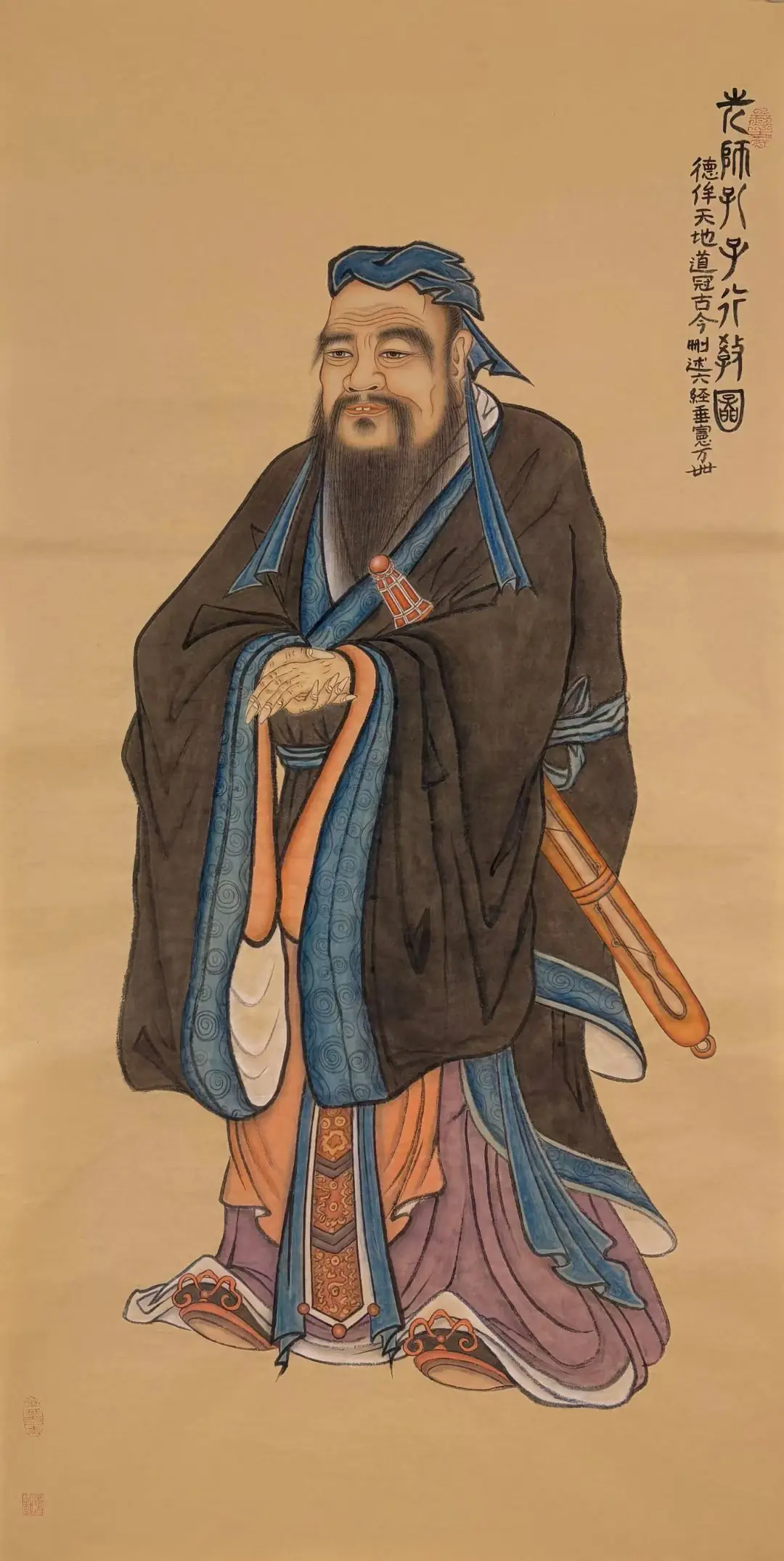
The Original Quote:
子曰:“天生德于予,桓魋其如予何?”
Zǐ yuē: “Tiān shēng dé yú yǔ, Huán Tuí qí rú yǔ hé?”
English Translation:
“Heaven has endowed me with virtue; what, then, can Huán Tuí do to me?”
Key Concepts Explained:
- Dé (德): Virtue or moral power, an inner quality bestowed by Heaven that aligns one with cosmic order and ethical excellence.
- Tiān (天): Heaven, not a personal deity but a transcendent moral force that governs the universe and confers legitimacy on virtuous conduct.
- Rén (仁): Benevolence or humaneness, the core Confucian virtue embodying compassion, altruism, and a deep sense of ethical responsibility toward others.
- Mìng (命): Fate or mandate, the idea that a virtuous person acts in harmony with Heaven’s will, rendering external threats powerless.
Cultural Context:
This passage, from The Analects (Book 7, Chapter 23), captures Confucius’s unwavering confidence during a time of political instability and personal danger. Huán Tuí, a powerful minister in the state of Sòng, had threatened the philosopher’s life. Confucius’s response reflects the doctrine of “the benevolent are fearless” (rén zhě wú wèi), asserting that moral integrity, rooted in Heaven’s mandate, provides an unassailable shield against worldly malice. Historically, this teaching inspired countless later figures, such as the Tang general Guo Ziyi, whose courage in single-handedly negotiating peace with enemy forces exemplified the practical power of virtue in overcoming existential threats. The passage thus underscores a core Confucian belief: ethical cultivation not only perfects the self but also confers a transcendent resilience that commands respect and protection from both Heaven and society.