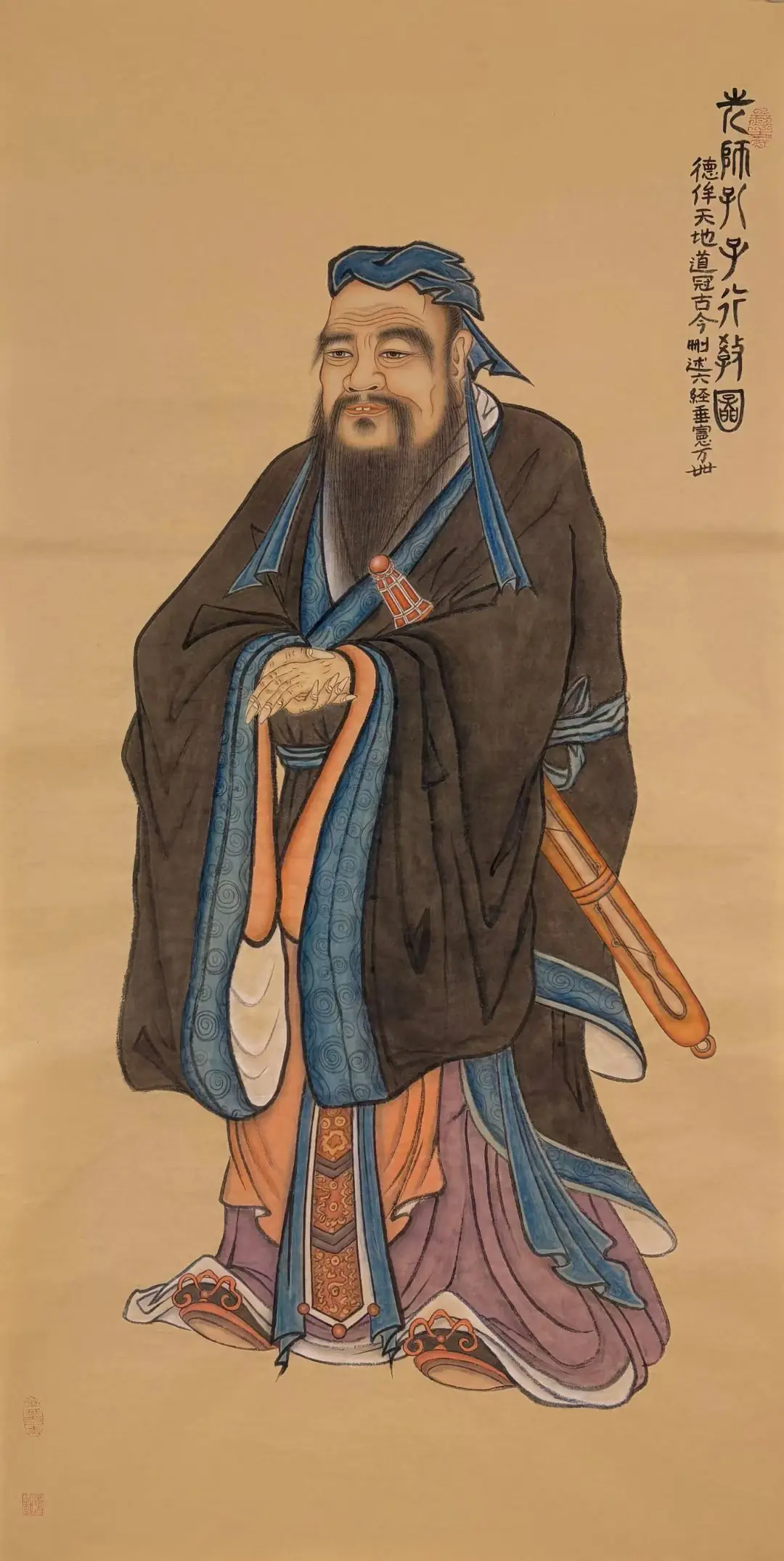
The Original Quote:
子与人歌而善,必使反之,而后和之。
Zǐ yǔ rén gē ér shàn, bì shǐ fǎn zhī, ér hòu hè zhī.
English Translation:
When the Master sang with others and found their singing excellent, he would invariably ask them to repeat it, and only then would he join in harmony with them.
Key Concepts Explained:
- 仁 (rén): Benevolence or humaneness, the core virtue of Confucian thought, here reflected in the Master's respectful and egalitarian approach to shared artistic expression.
- 礼 (lǐ): Ritual propriety, encompassing social norms and graceful conduct; this passage exemplifies how even in informal music-making, proper form and mutual respect are maintained.
- 和 (hé): Harmony, a central aesthetic and ethical ideal in Confucianism, representing the balanced integration of self with others, as seen in the act of singing in unison after learning from another.
- 谦 (qiān): Humility, the virtue of recognizing one's own limitations and learning from others, which the Master demonstrates by deferring to a superior singer before adding his own voice.
Cultural Context:
This passage from the Analects (Lunyu) illustrates Confucius's (551–479 BCE) philosophy of lifelong learning and the artful integration of virtue into daily life. Music was considered a vital tool for moral cultivation in ancient China, alongside poetry and ritual. Confucius, a passionate music enthusiast and teacher, here models the ideal of the junzi (君子, exemplary person): one who learns from anyone, regardless of status, and seeks harmony rather than dominance. This practice reflects the Confucian belief that true greatness arises from acknowledging one's own insufficiency, a lesson that transcends time and culture.