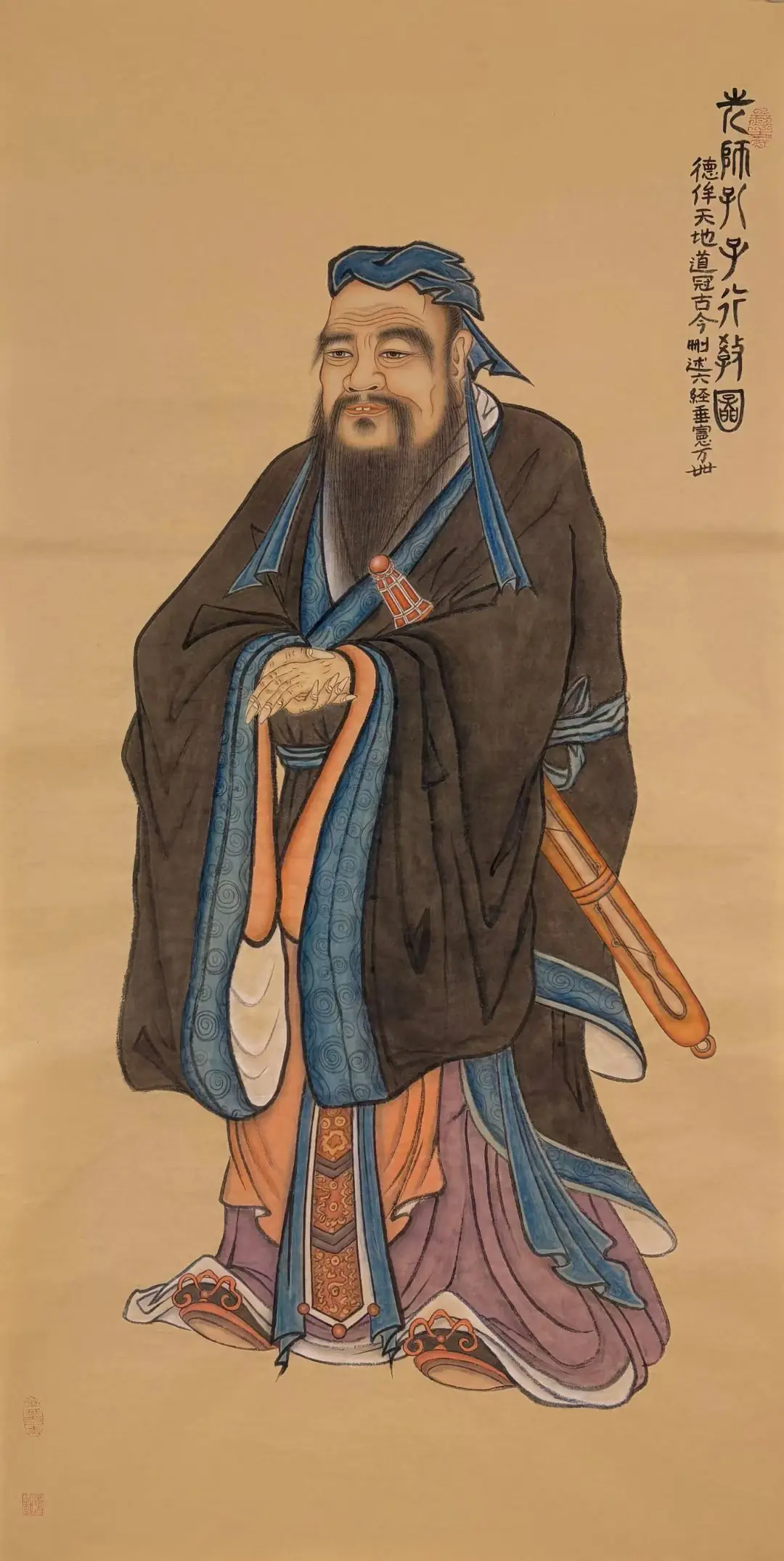
The Original Quote:
子曰:“奢则不孙,俭则固。与其不孙也,宁固。”
Zǐ yuē: “Shē zé bù xùn, jiǎn zé gù. Yǔ qí bù xùn yě, níng gù.”
English Translation:
The Master said: “Extravagance leads to arrogance; frugality leads to rusticity. Rather than arrogance, choose rusticity.”
Key Concepts Explained:
- 奢 (shē): Extravagance or excess in material pursuits, which breeds pride and disrupts social harmony.
- 俭 (jiǎn): Frugality or restraint, a virtue that cultivates humility and moral integrity, even if appearing crude.
- 不孙 (bù xùn): Arrogance or insubordination, a deviation from 礼 (lǐ)—ritual propriety that maintains order.
- 固 (gù): Rusticity or simplicity, reflecting a modest state closer to 仁 (rén)—benevolence and inner virtue.
- 中庸 (zhōng yōng): The Doctrine of the Mean, advocating balance between extremes to achieve ethical living.
Cultural Context:
In the Analects, Confucius (551–479 BCE) addresses the tension between luxury and thrift within the hierarchical society of ancient China. Extravagance, often linked to rulers and officials, was seen as a gateway to greed and moral decay—exemplified by King Zhou of Shang, whose indulgence led to his downfall. In contrast, frugality, though humble, was valued as a foundation for personal discipline and social stability. This passage reflects Confucius’s pragmatic wisdom: when neither extreme aligns with the ideal of moderation, the lesser evil—frugality—is preferred, as it preserves virtue over ostentation. Historically, this teaching influenced Chinese governance and family ethics, promoting thrift as a means to nurture resilience and collective wealth.