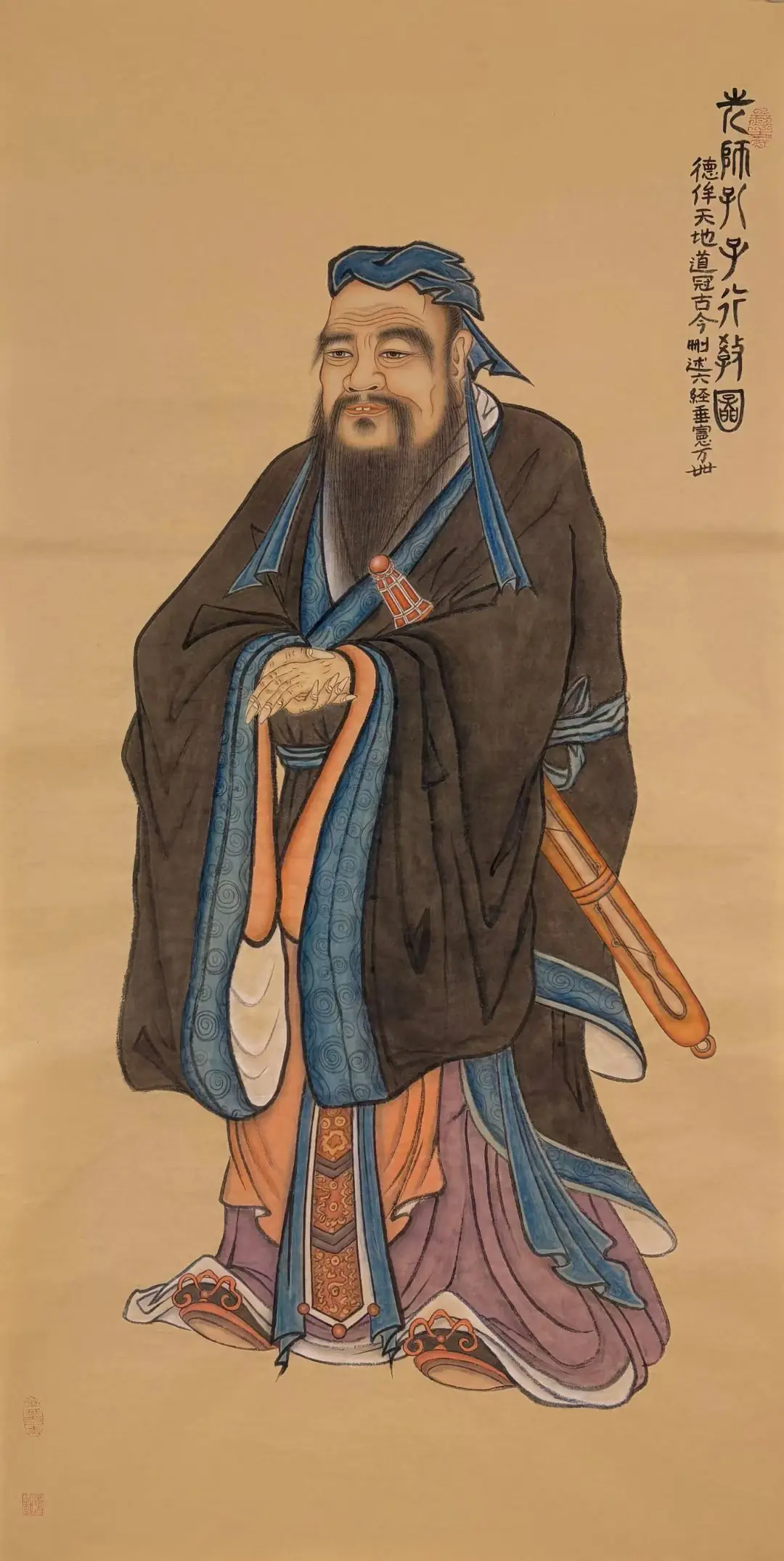
The Original Quote:
子曰:“志于道,据于德,依于仁,游于艺。”
Zǐ yuē: “Zhì yú dào, jù yú dé, yī yú rén, yóu yú yì.”
English Translation:
“Set your intention upon the Way (dào), take your stand upon virtue (dé), rely upon benevolence (rén), and wander at ease in the arts (yì).”
Key Concepts Explained:
- Dào (道): The Way—the ultimate moral and cosmic order; the path of truth and righteous living that a noble person aspires to follow.
- Dé (德): Virtue or inner power—moral character cultivated through self-discipline, serving as the foundation for all actions.
- Rén (仁): Benevolence or humaneness—the core Confucian virtue of loving others and acting with compassion, the anchor of ethical conduct.
- Yì (艺): The arts—the Six Arts (liù yì) of ritual, music, archery, charioteering, calligraphy, and mathematics, practiced with joyful immersion to achieve harmony and skill.
Cultural Context:
This passage from The Analects (Book 7, Chapter 6) outlines Confucius’s holistic educational framework, emphasizing balanced development of spirit, character, heart, and practical skill. The phrase “wander in the arts” (yóu yú yì) evokes the image of a fish swimming freely in water, suggesting that mastery of cultural disciplines brings both freedom and joy. Historically, this teaching shaped the ideal of the Chinese junzi (君子, exemplary person)—one who integrates moral purpose with cultivated refinement, a model that influenced East Asian education, governance, and personal cultivation for over two millennia.